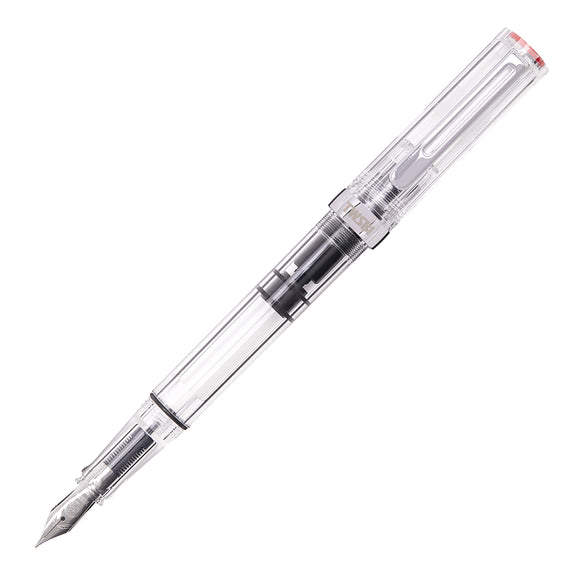
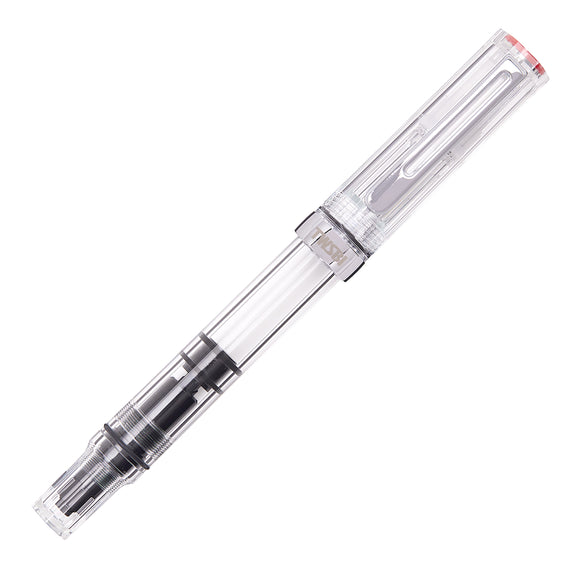
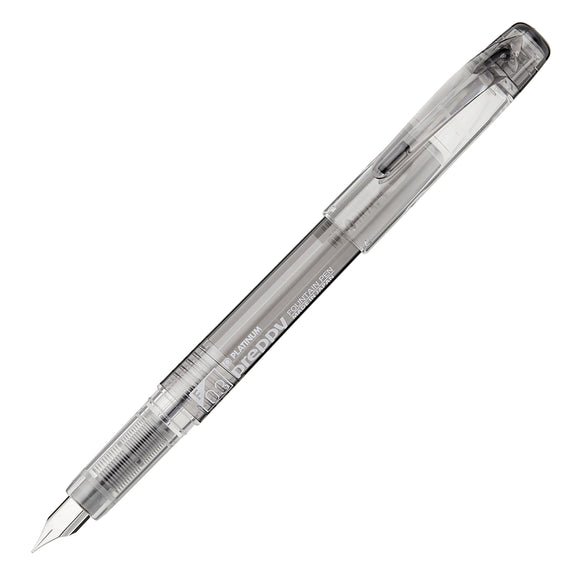
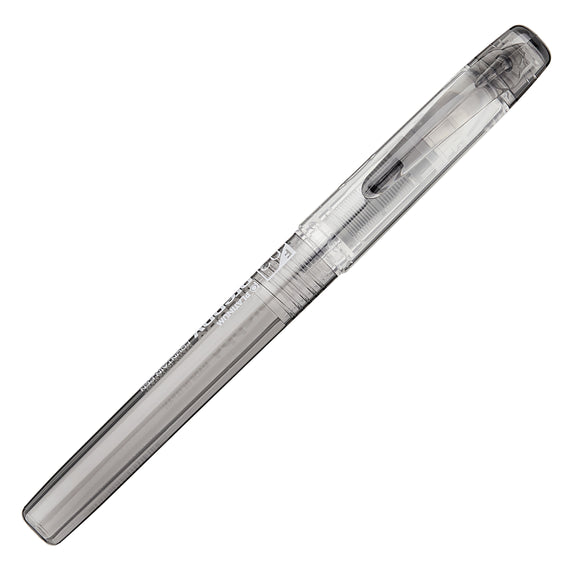
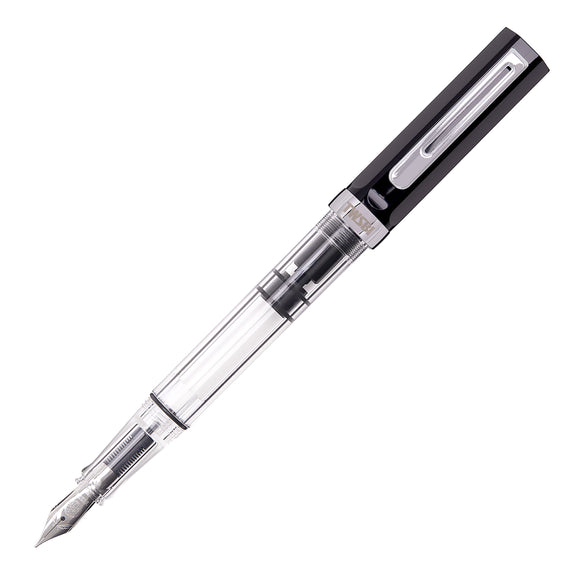
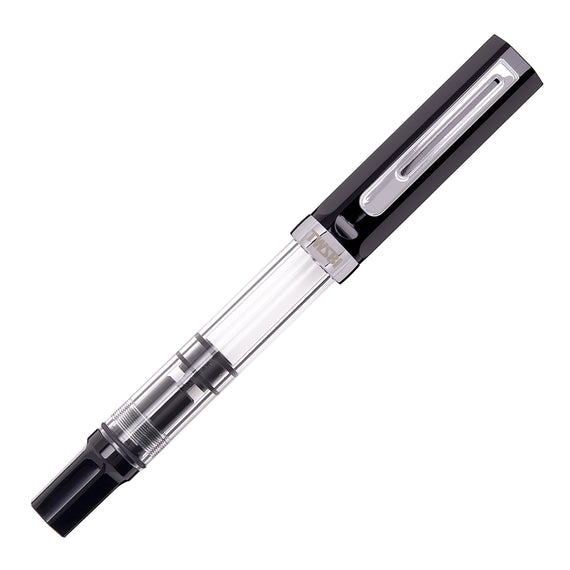
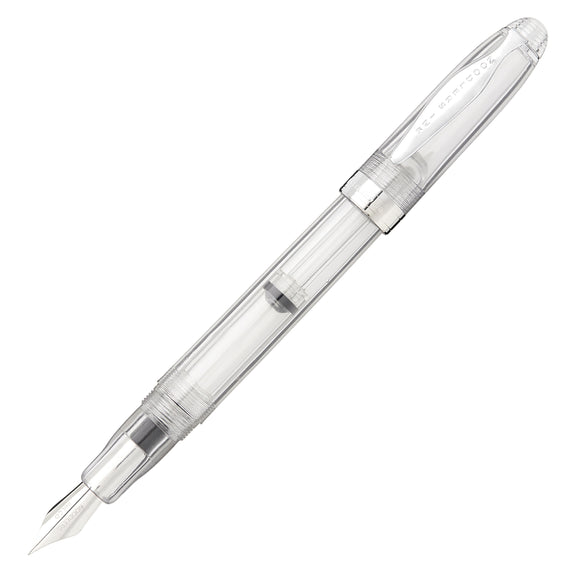
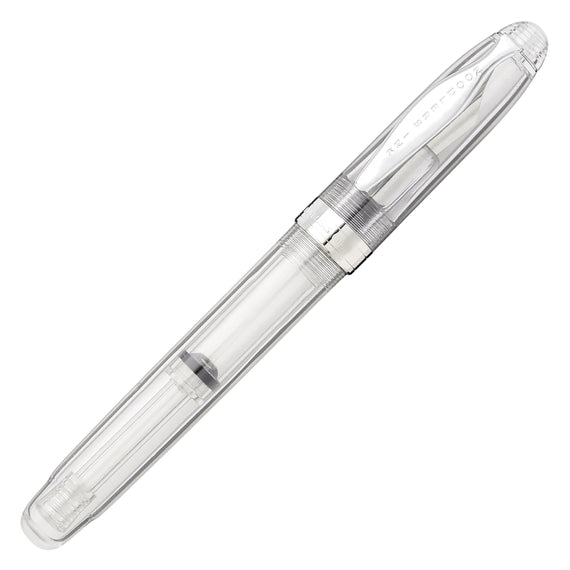
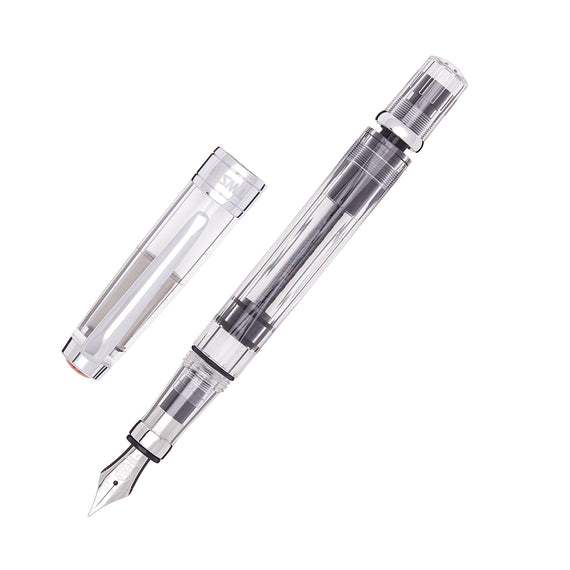
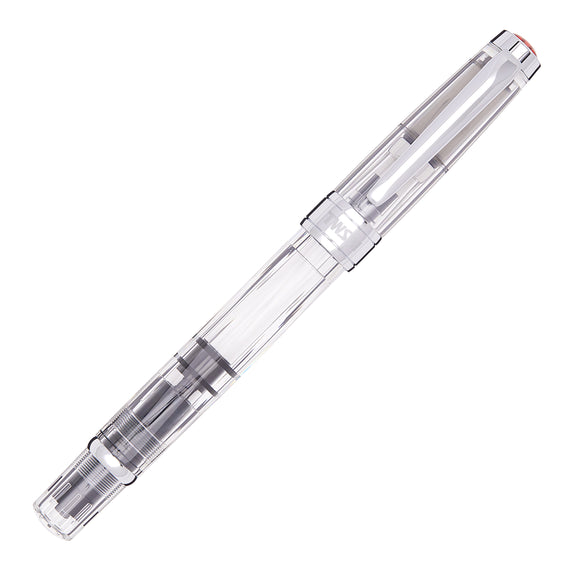
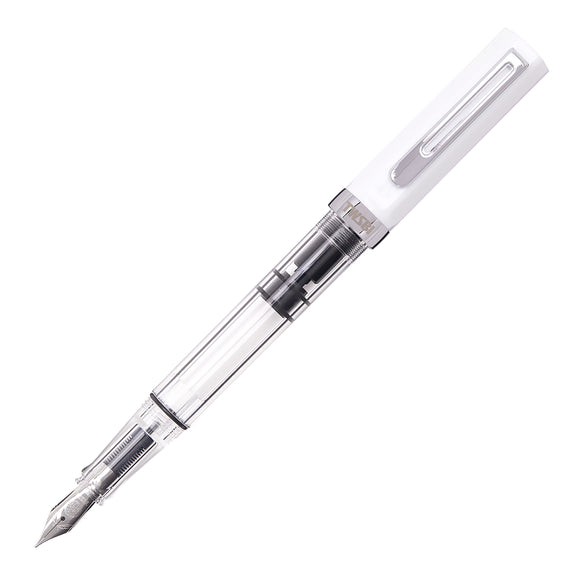
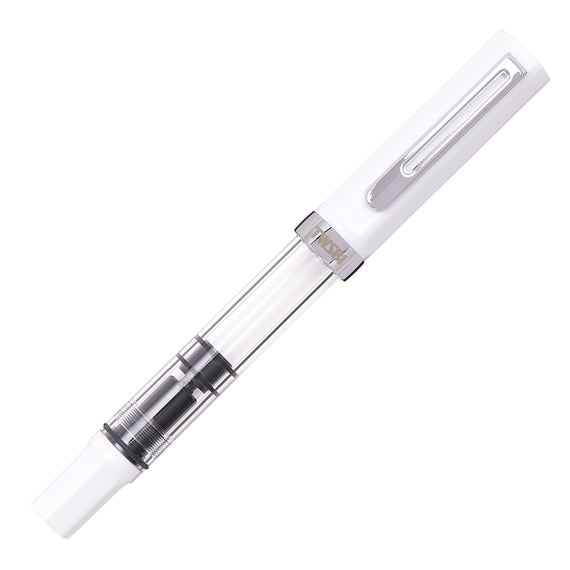
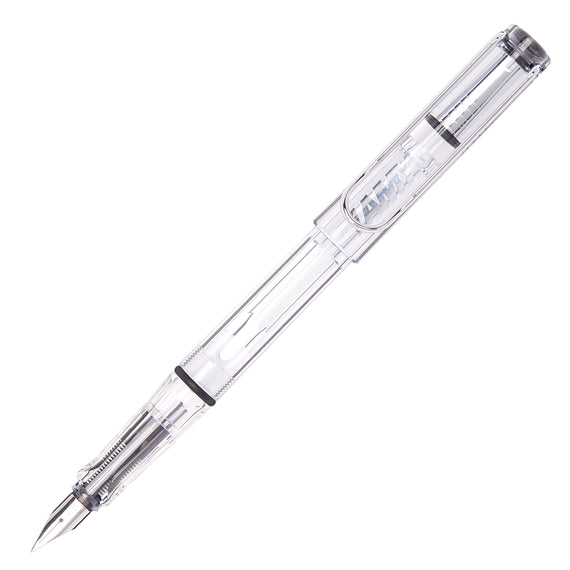
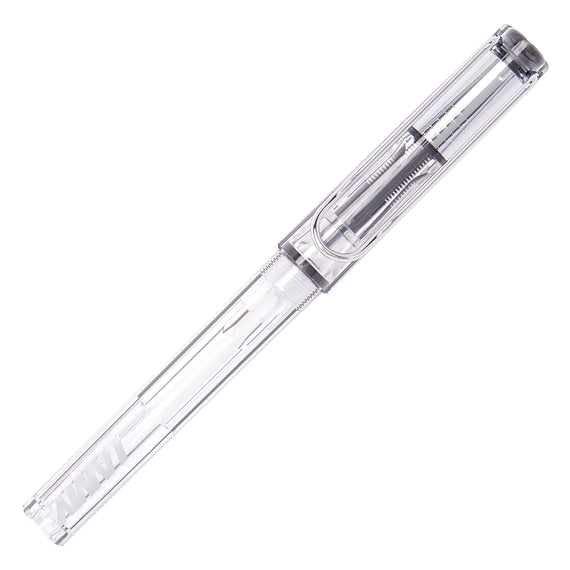
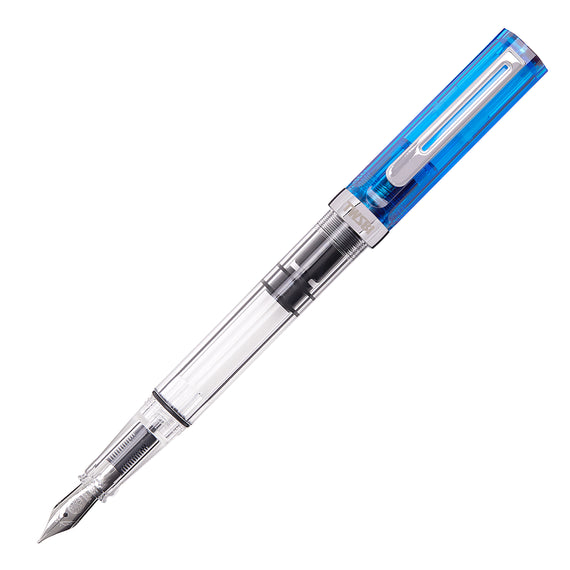
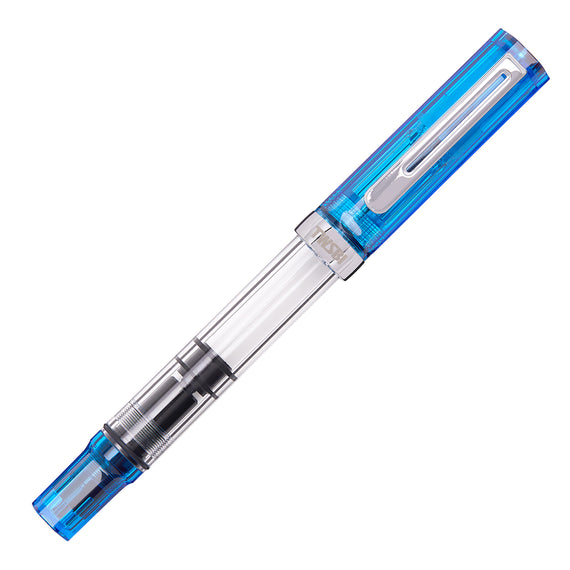
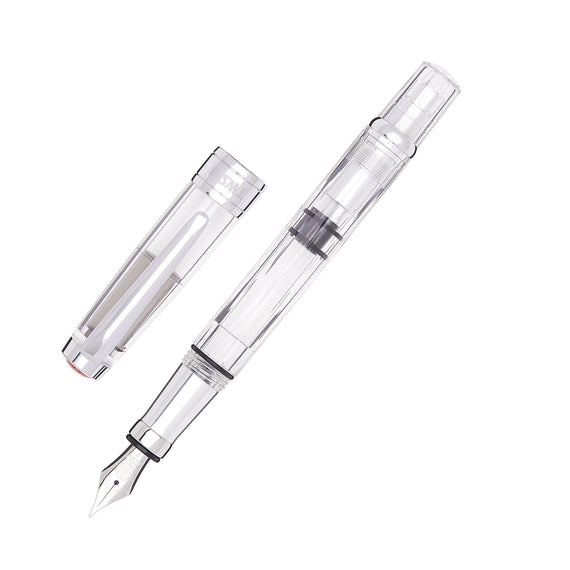
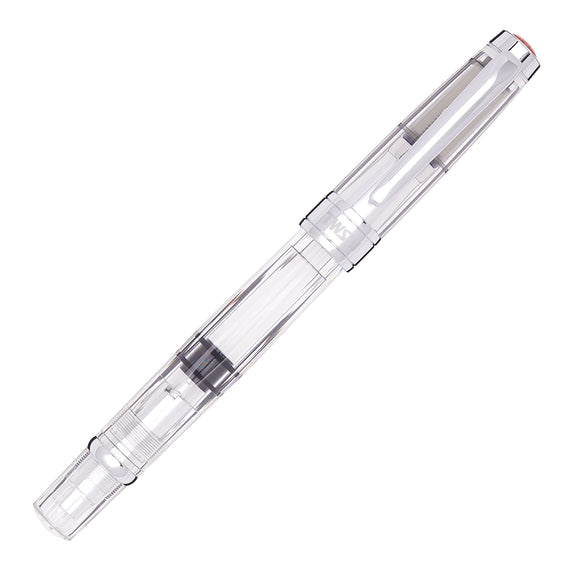
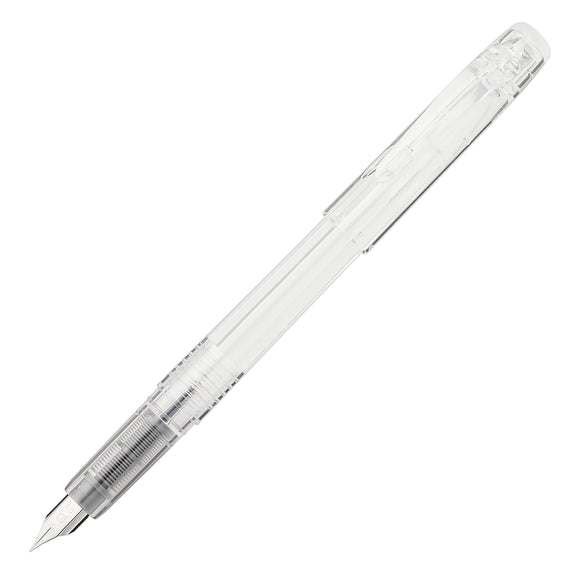
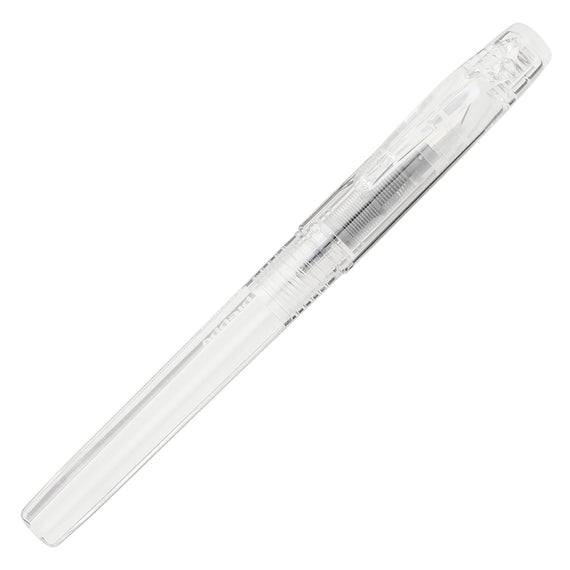
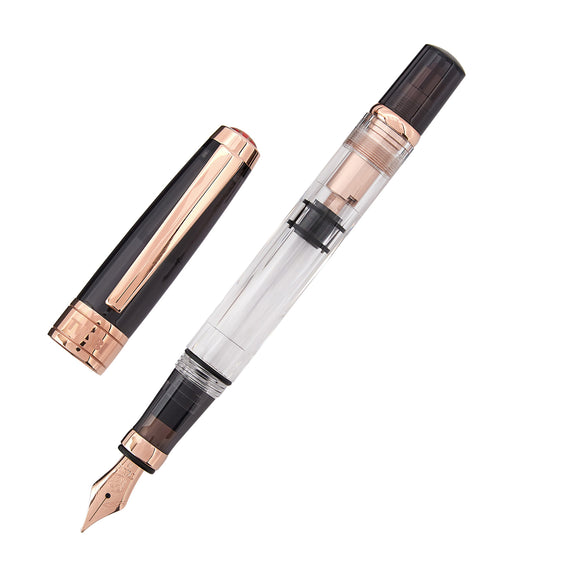
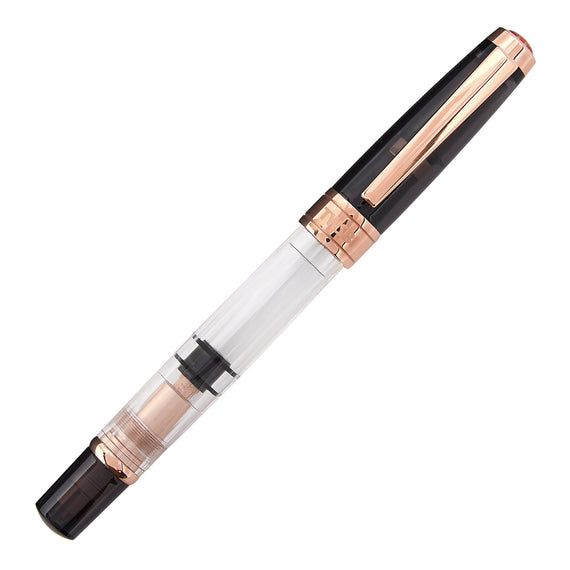
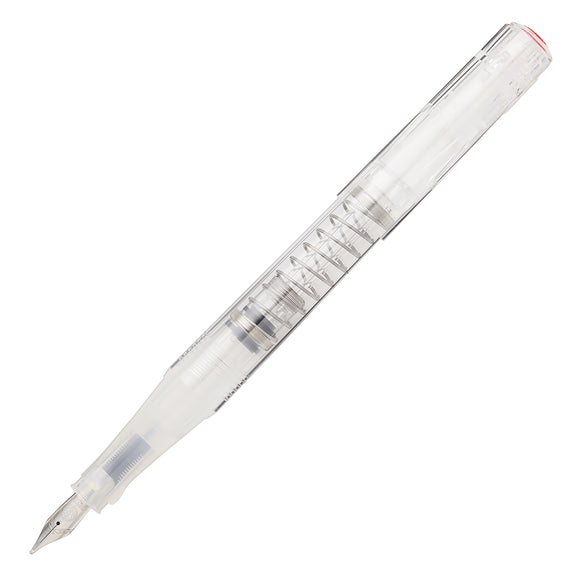
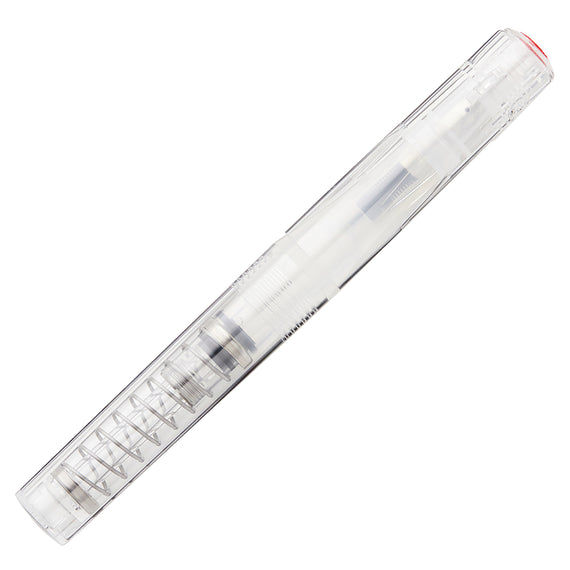
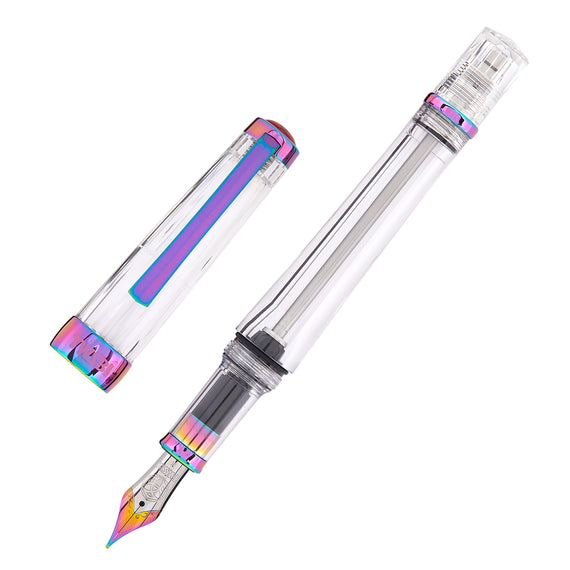
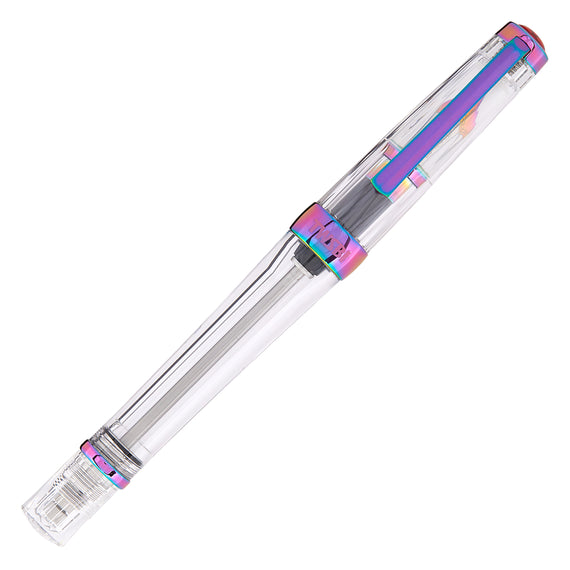
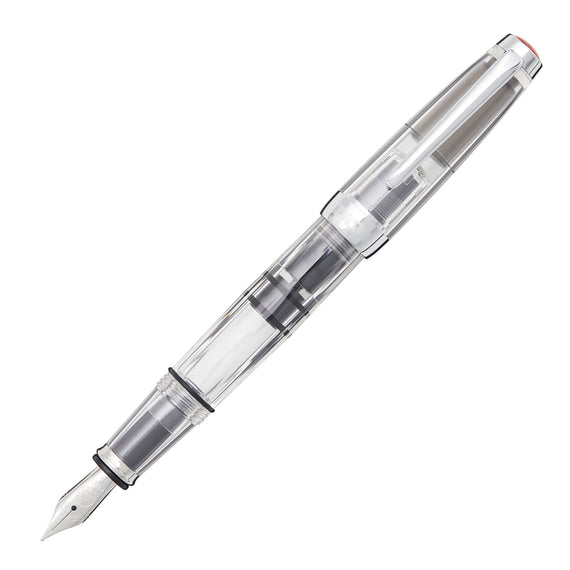
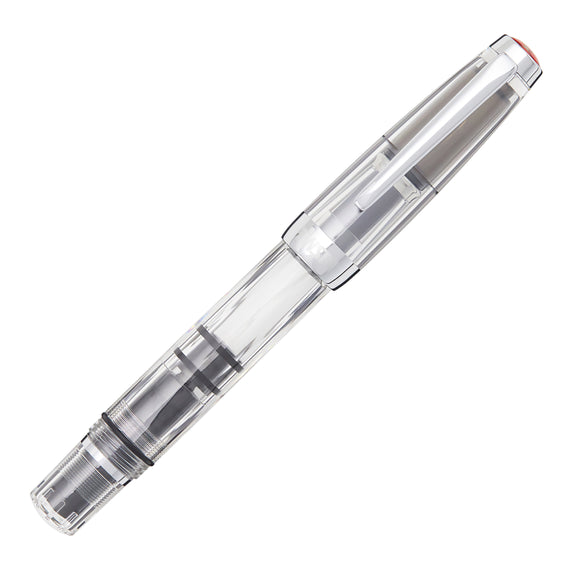
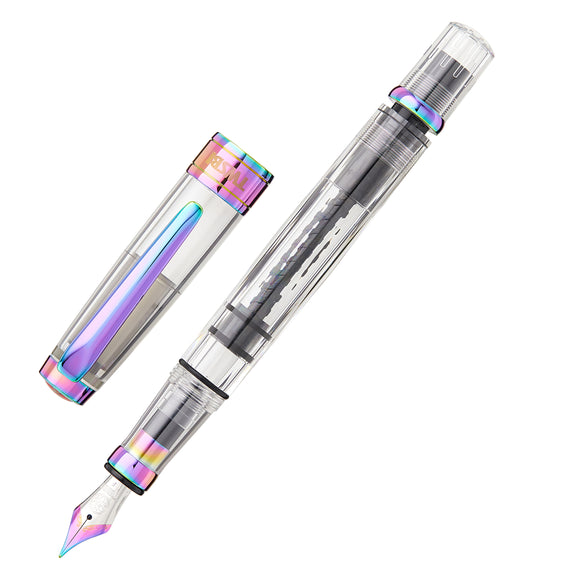
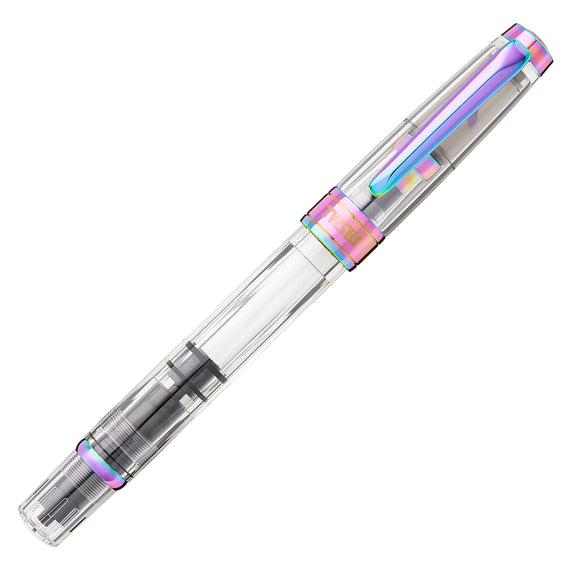
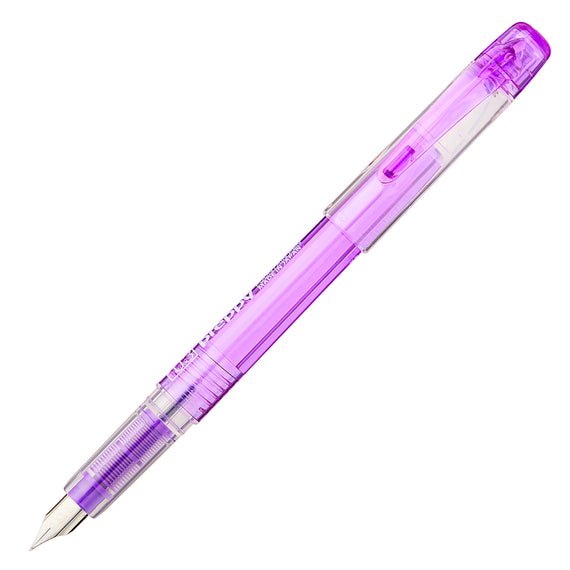
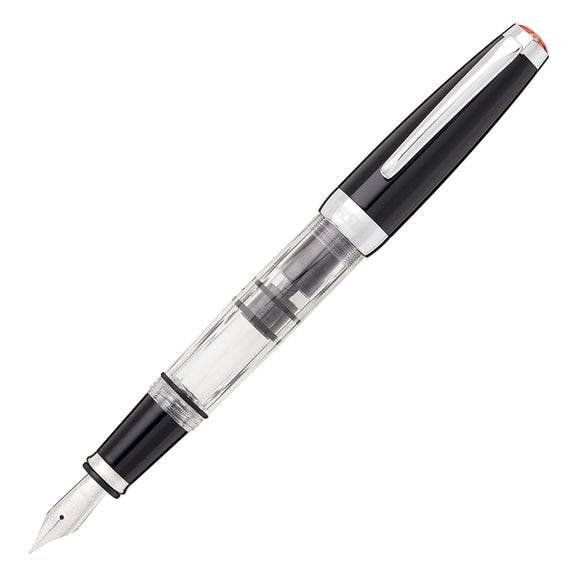
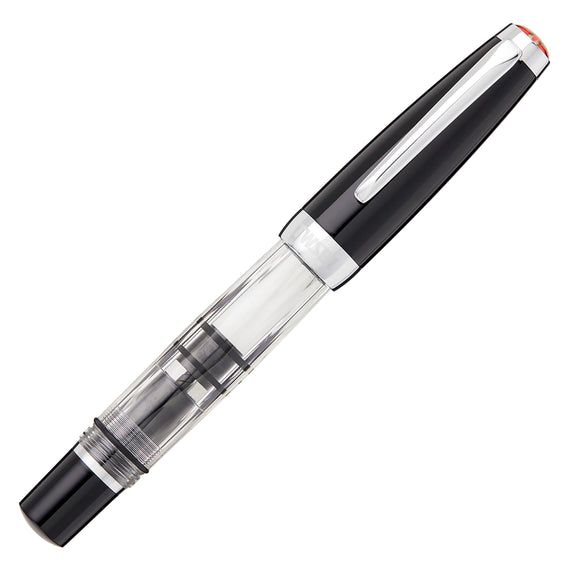
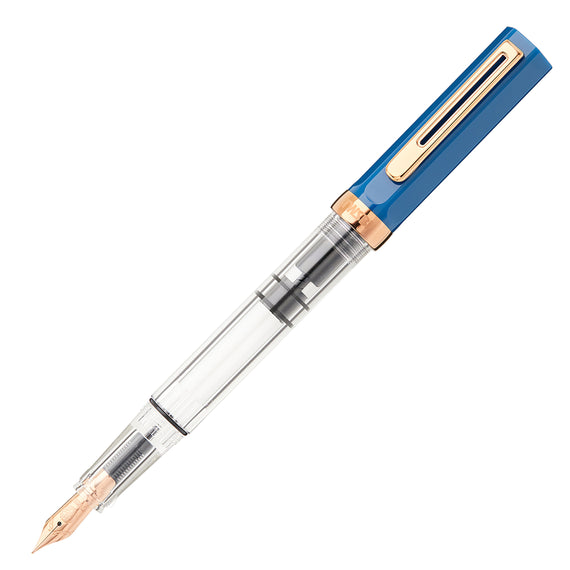
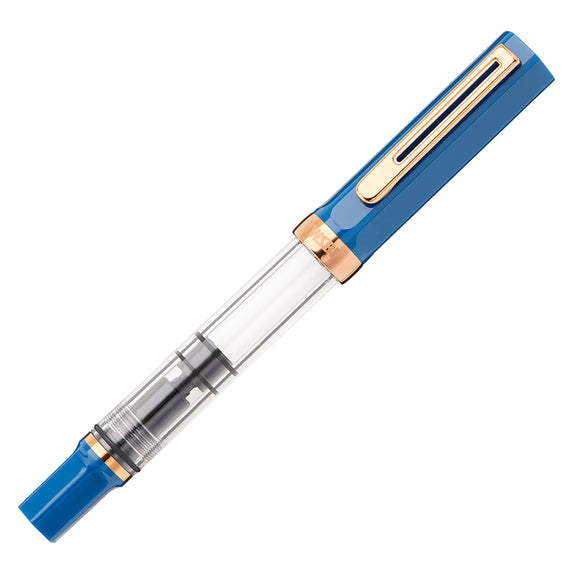
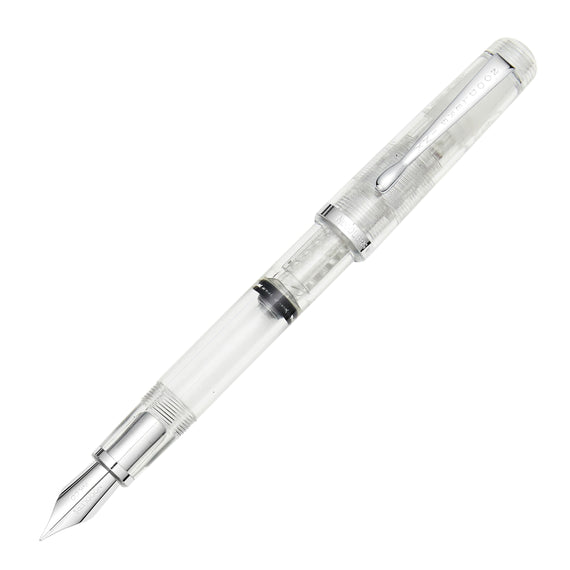
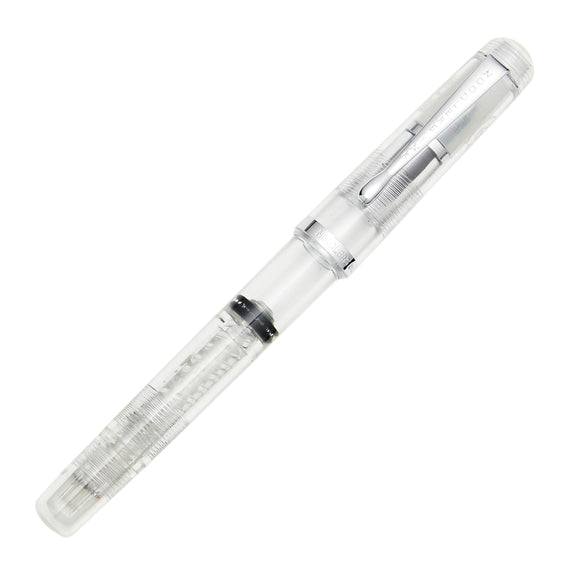
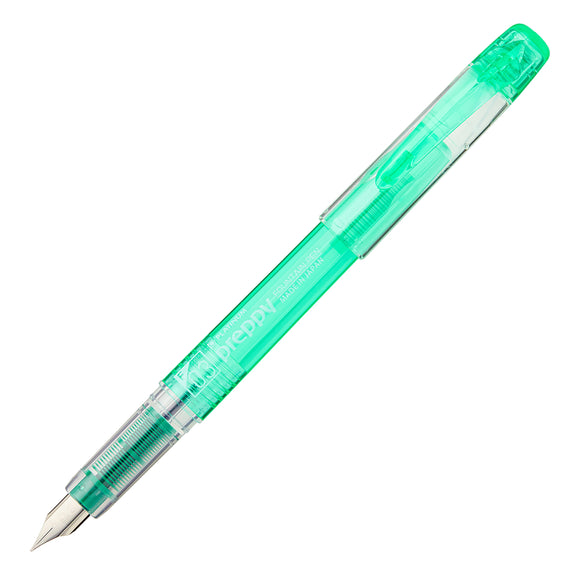
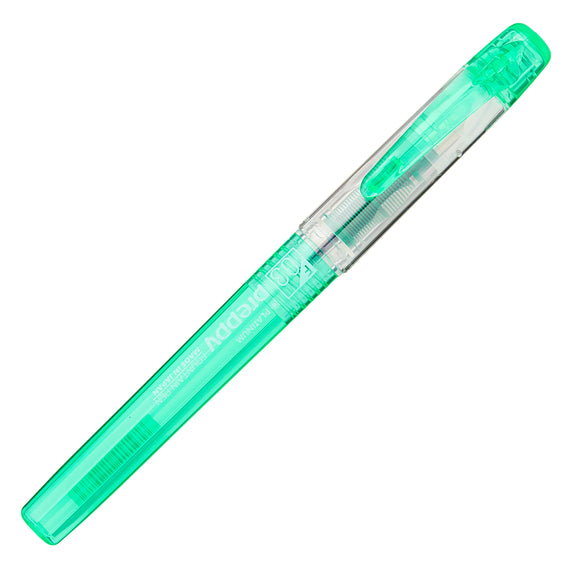
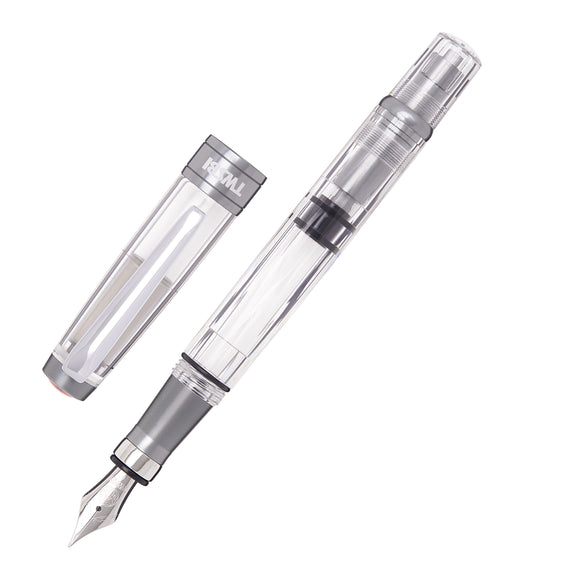
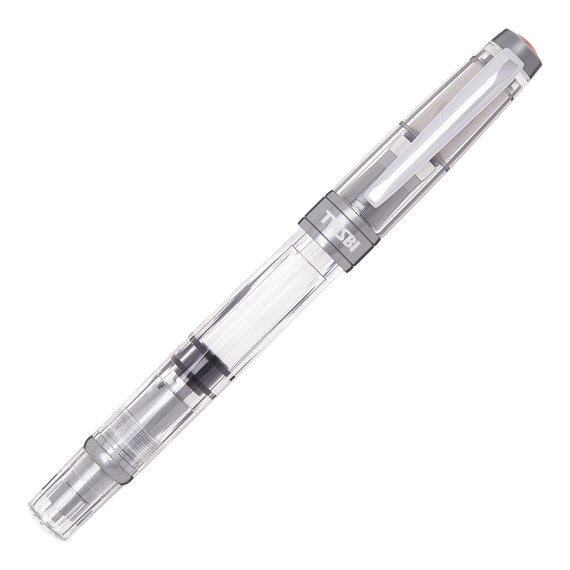
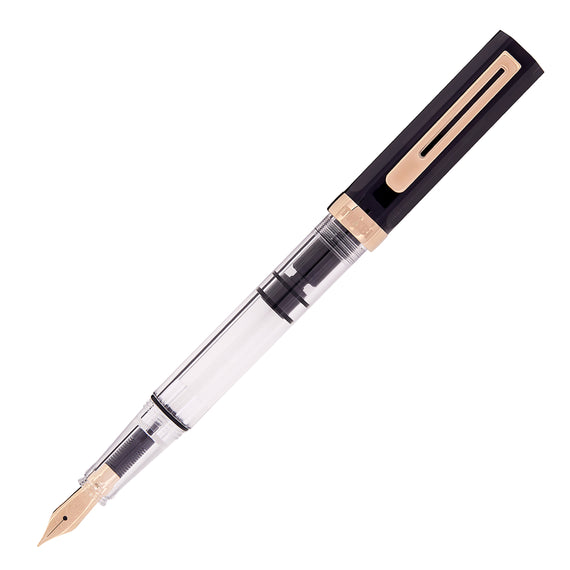
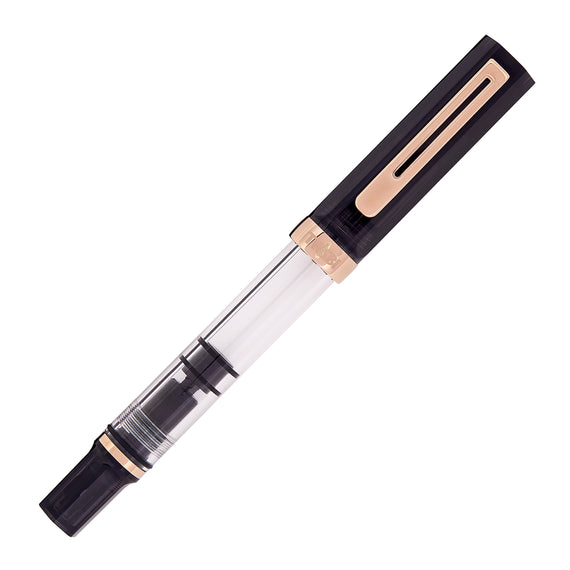
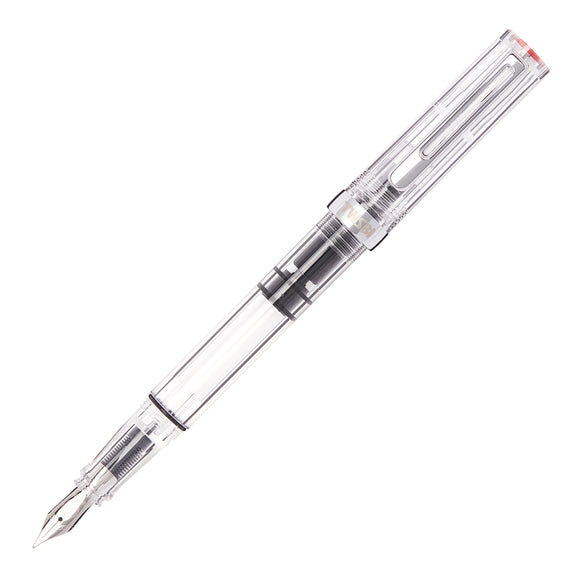
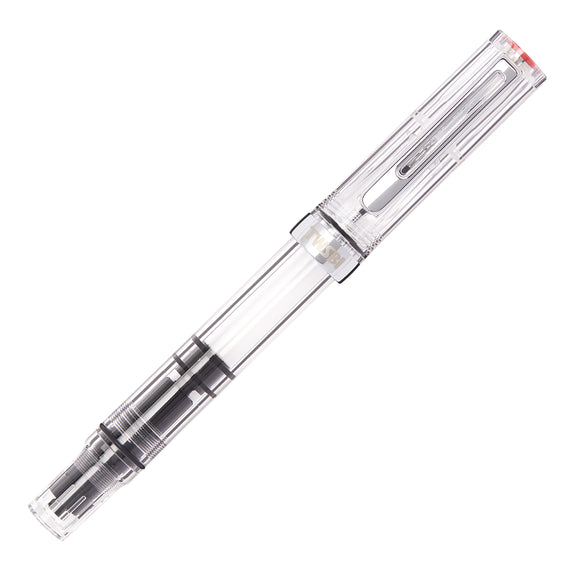
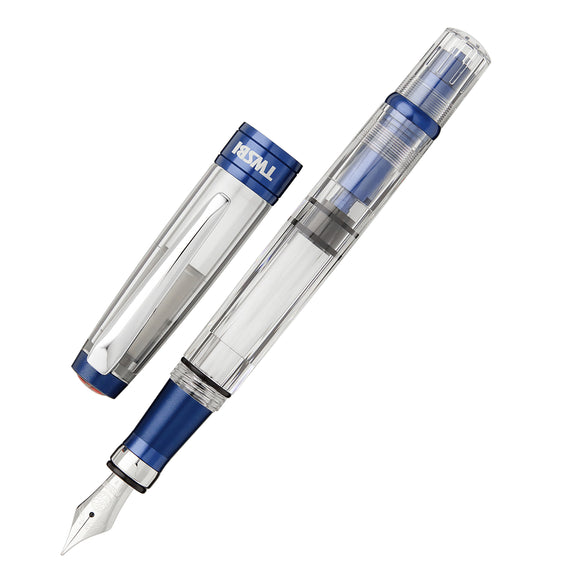
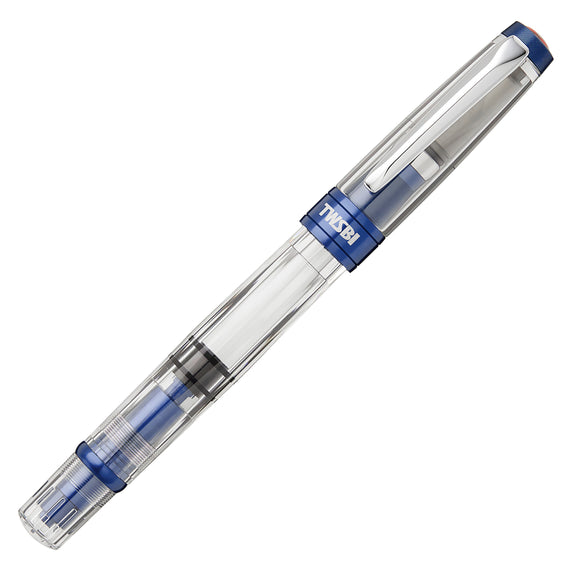
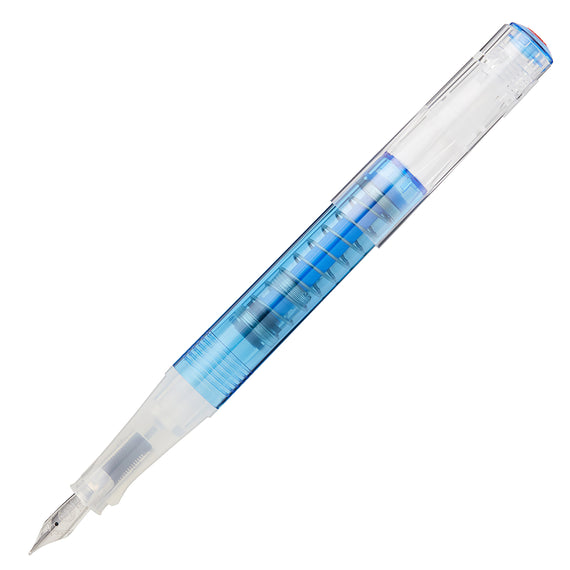
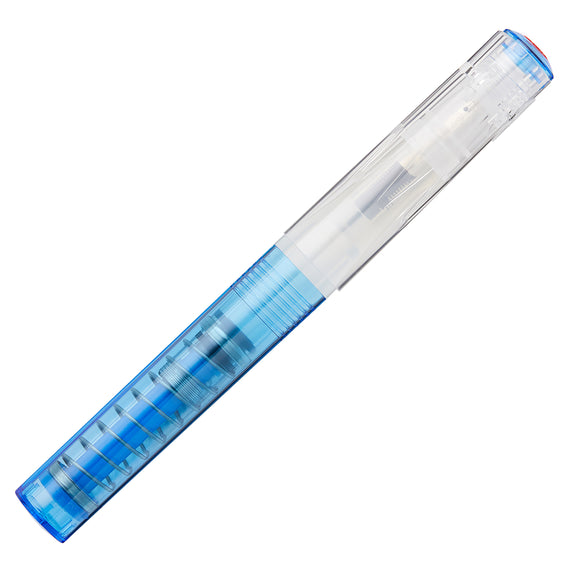
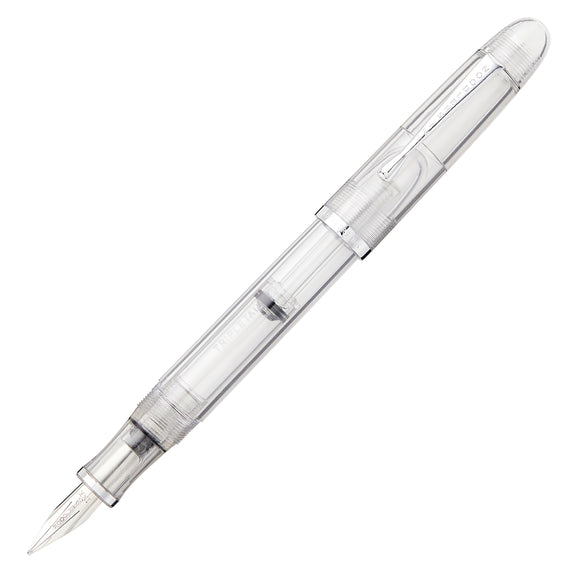
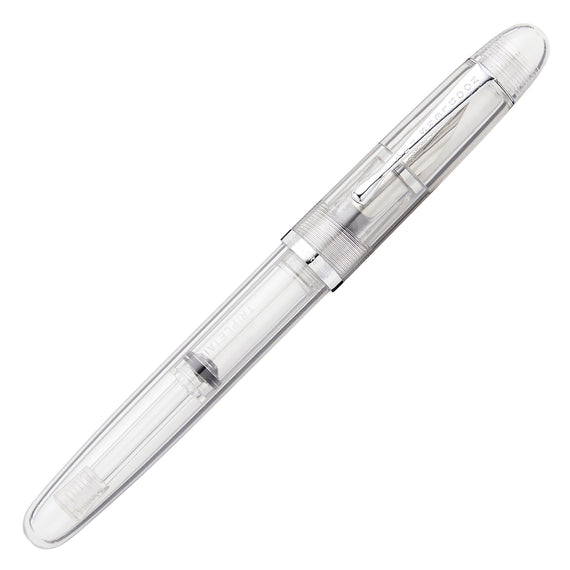
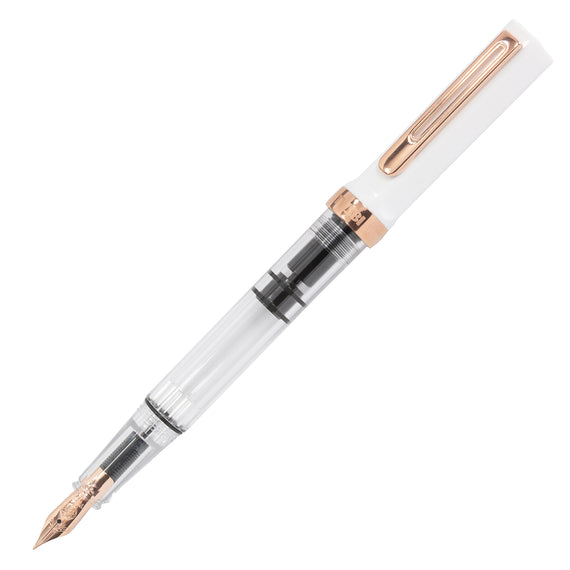
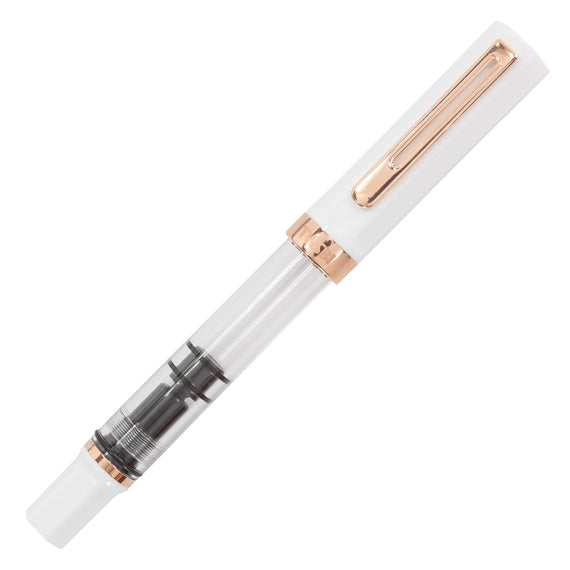
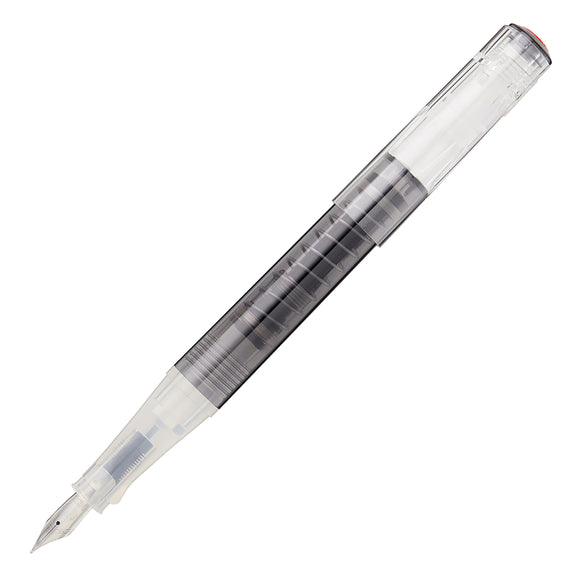
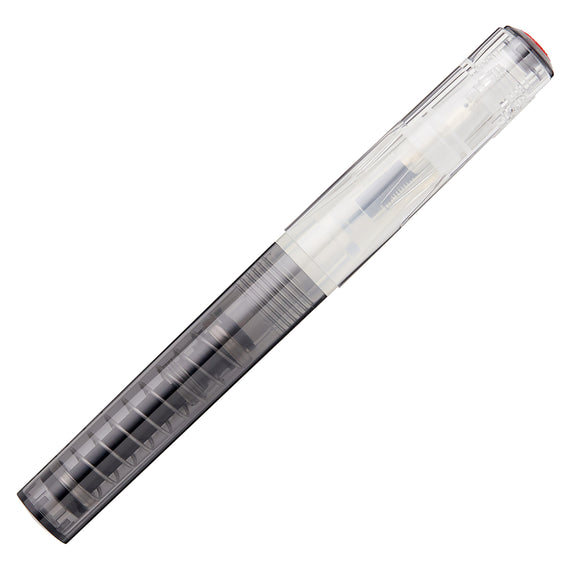
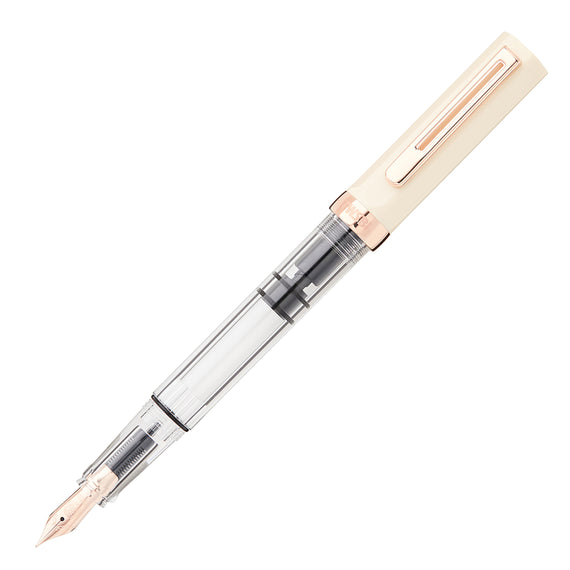
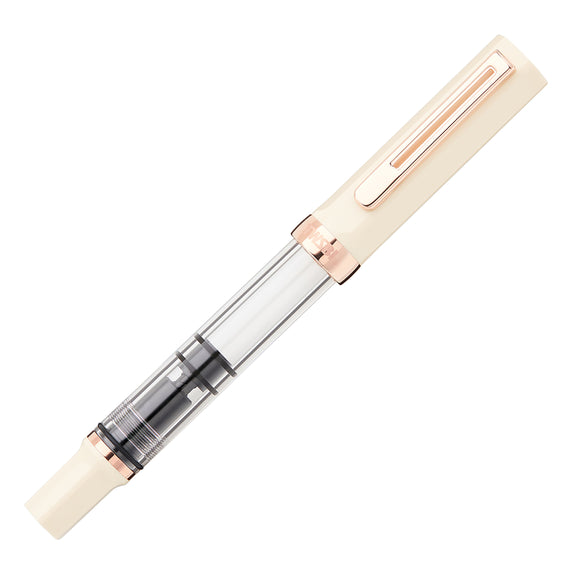
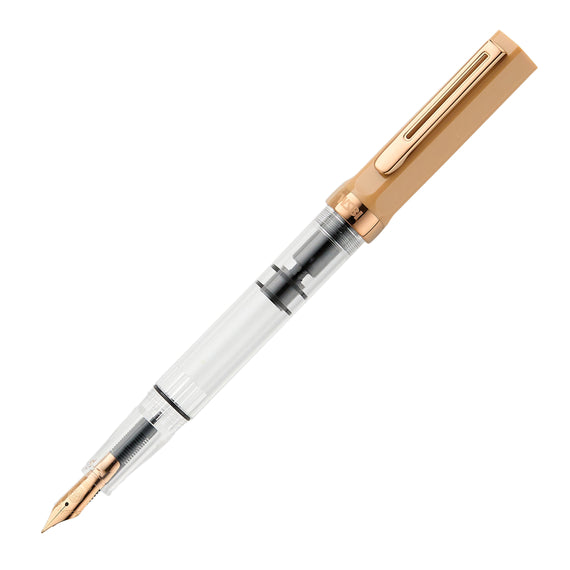
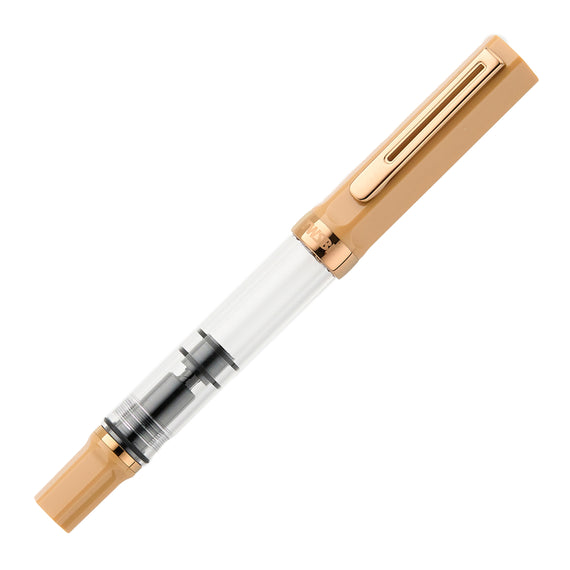
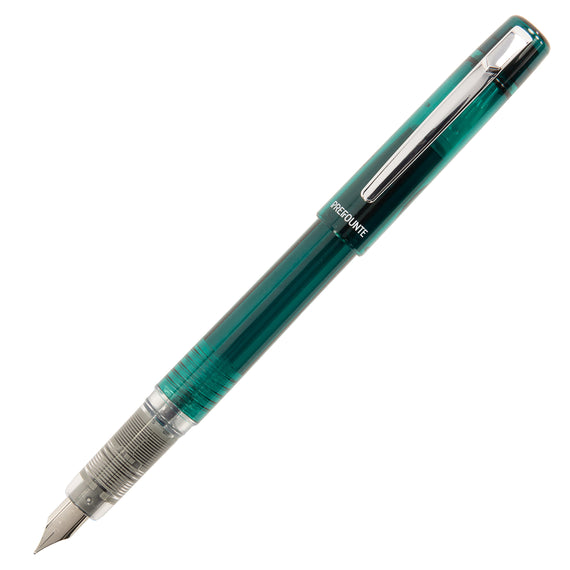
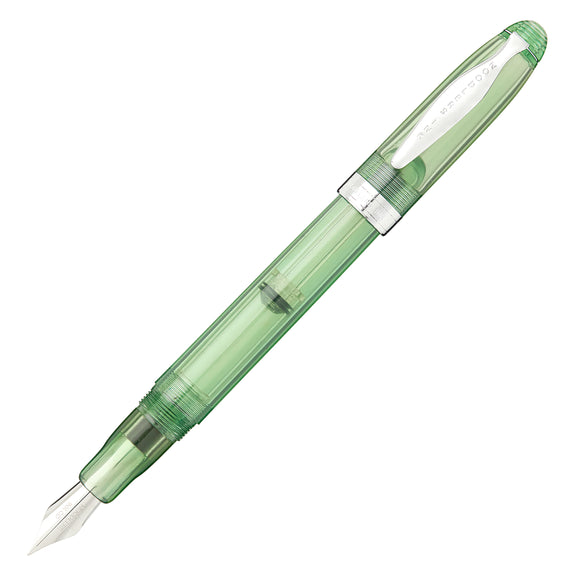
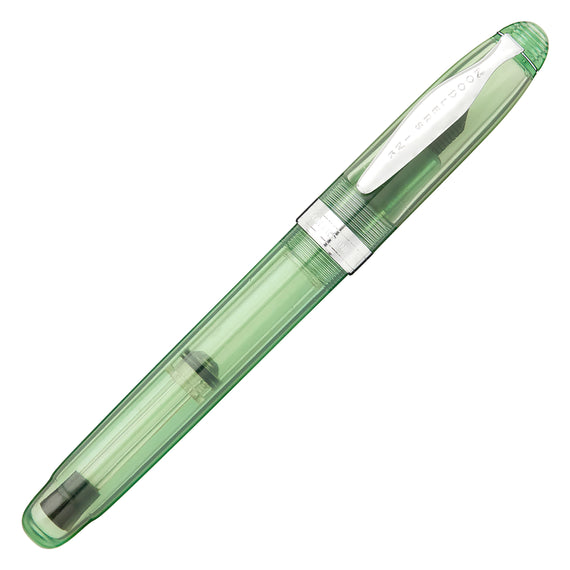
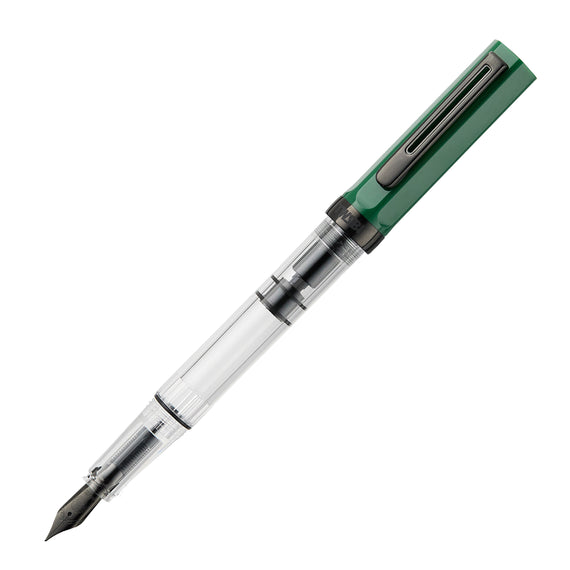
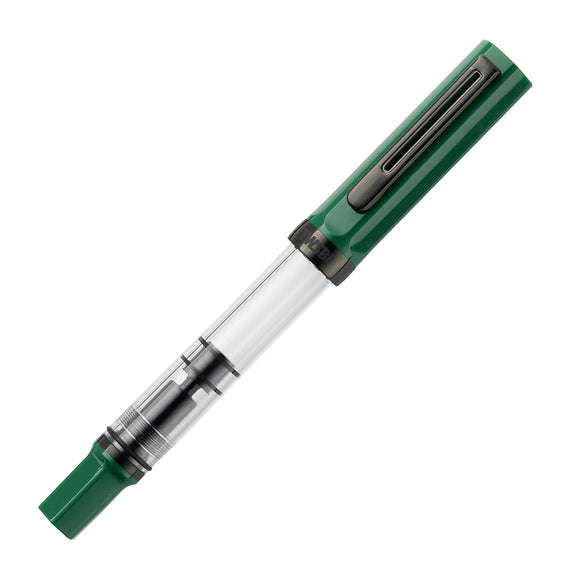
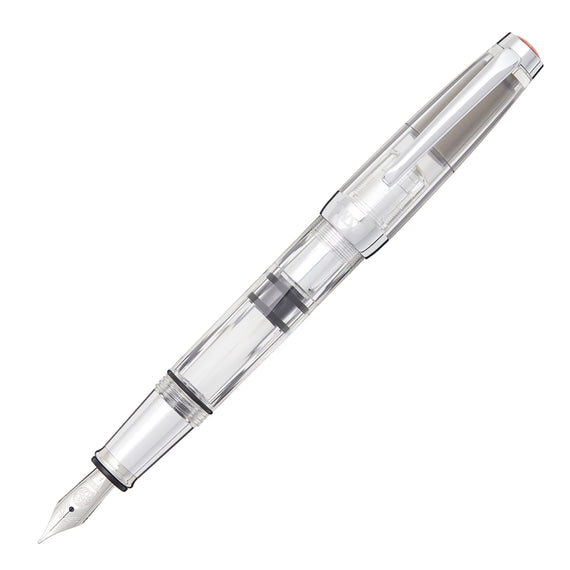
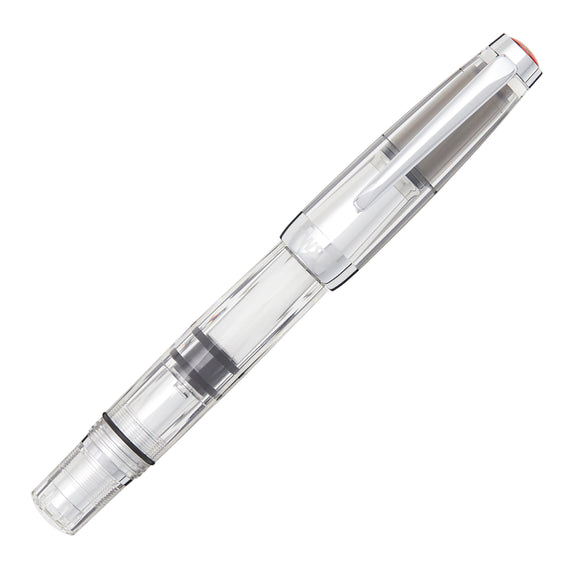
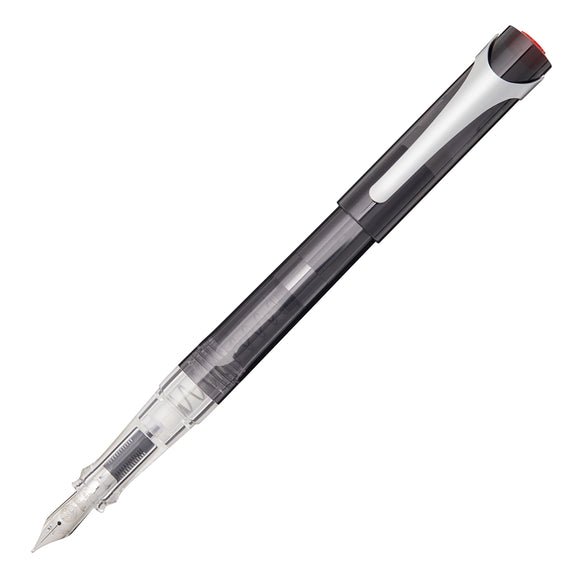
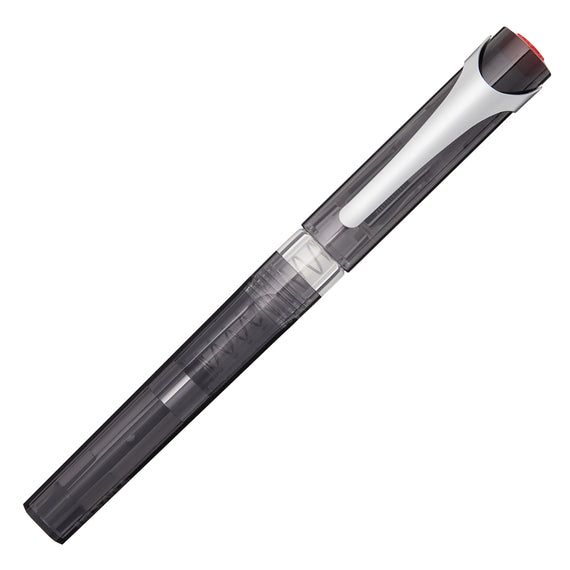
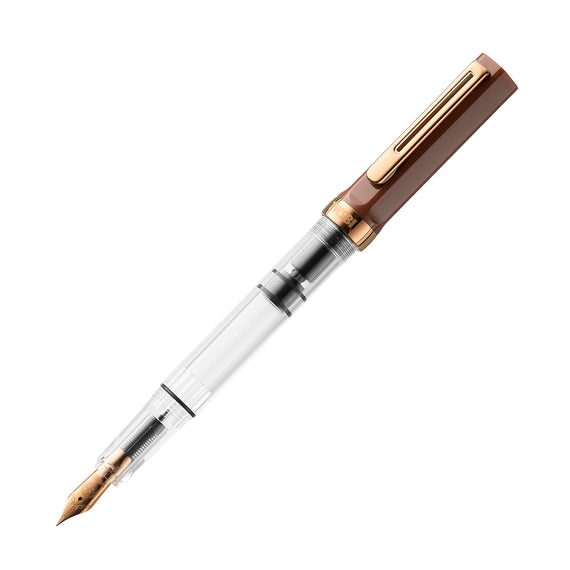
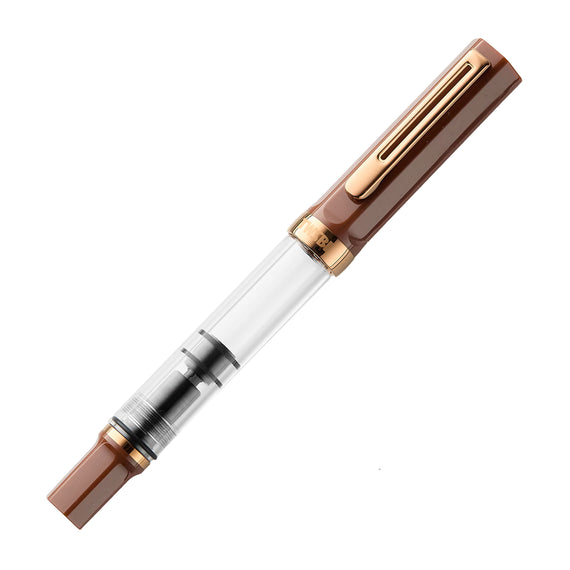
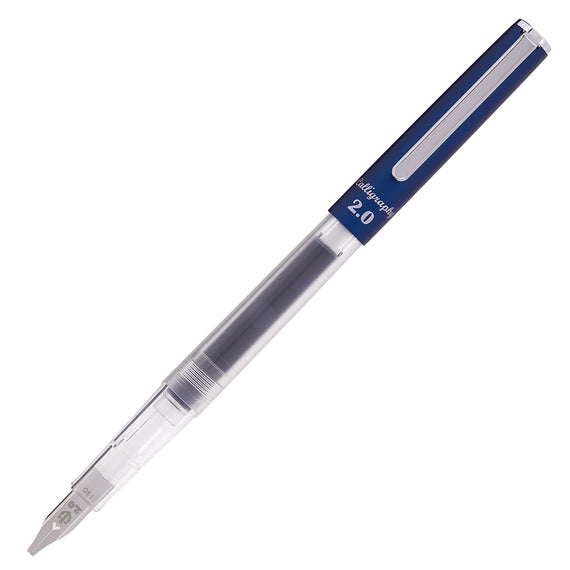
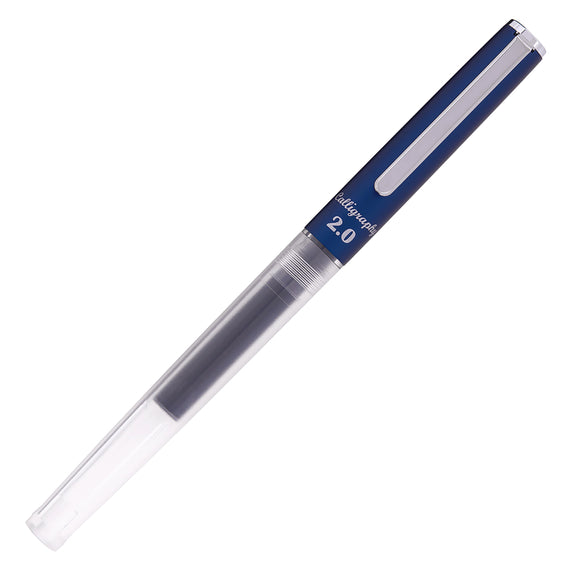
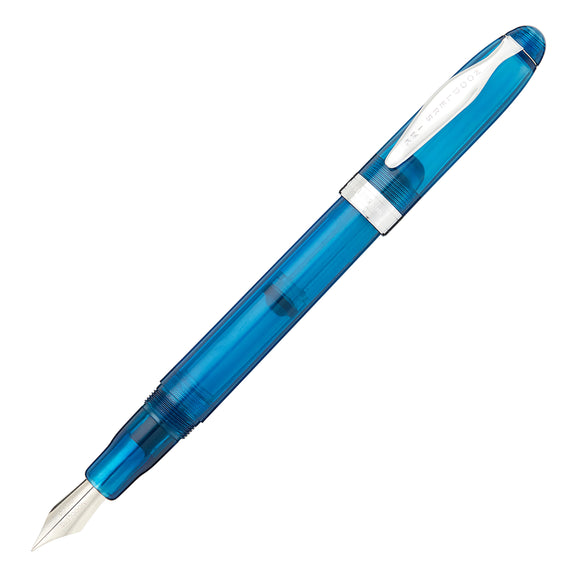
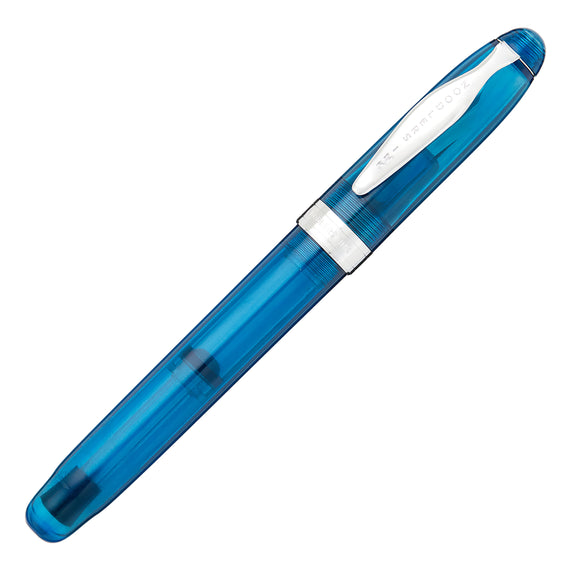
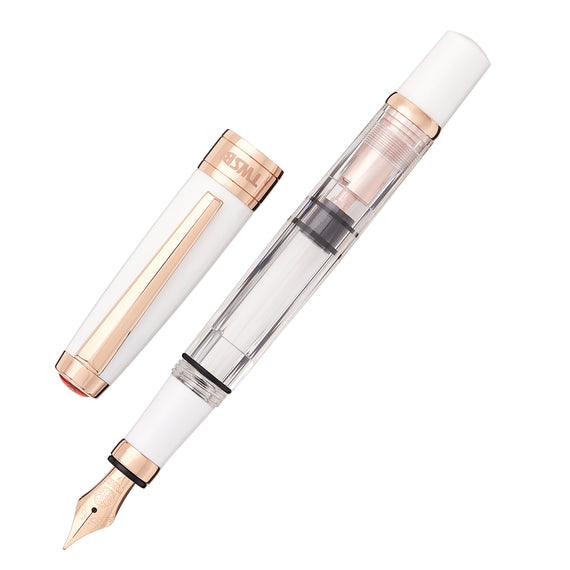
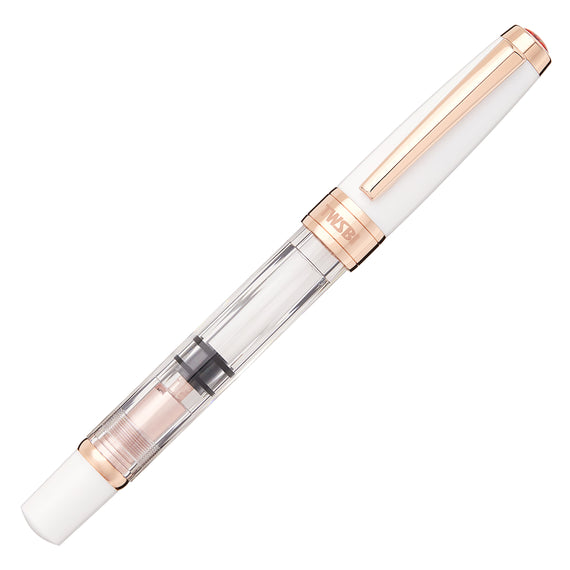
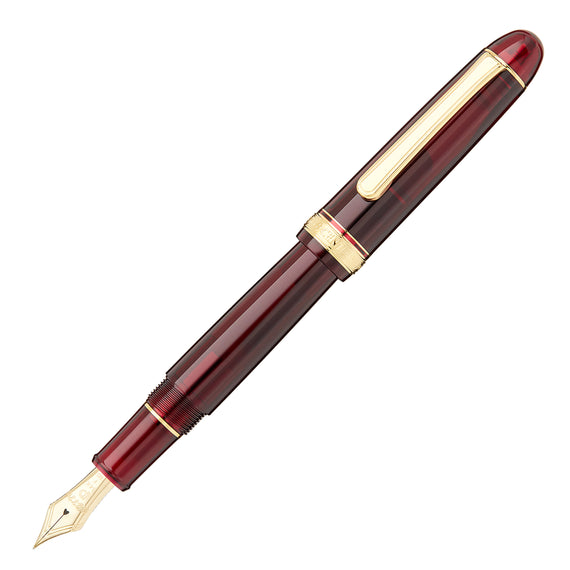
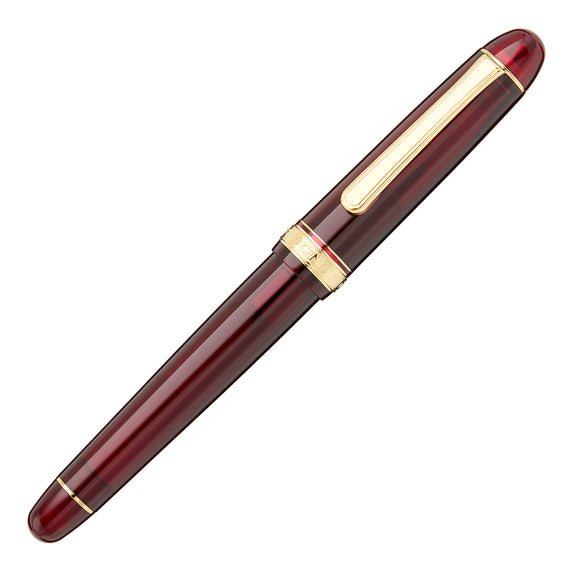
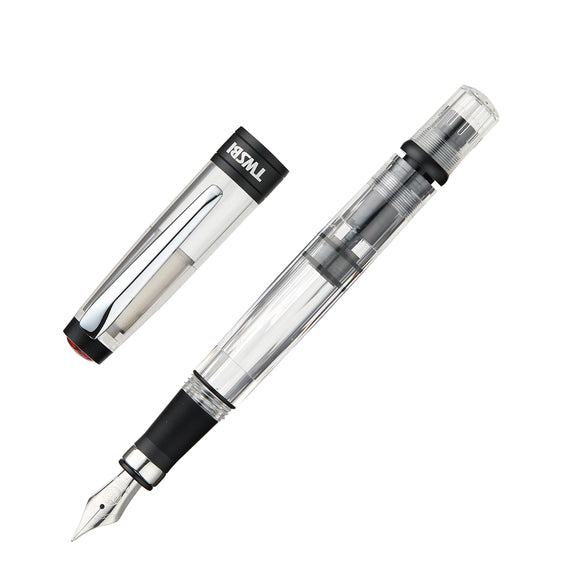
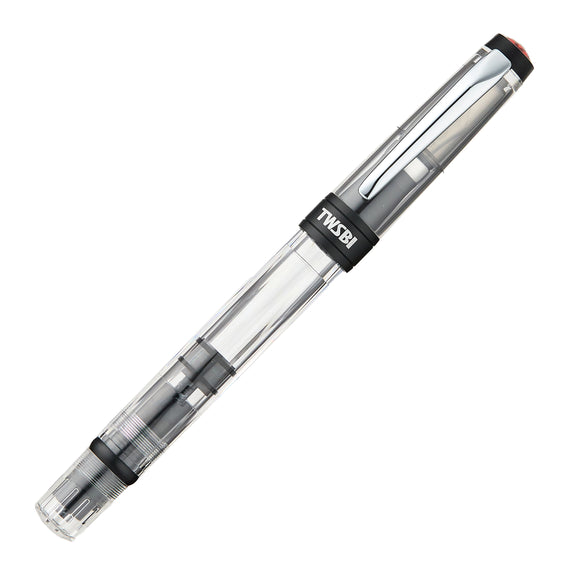
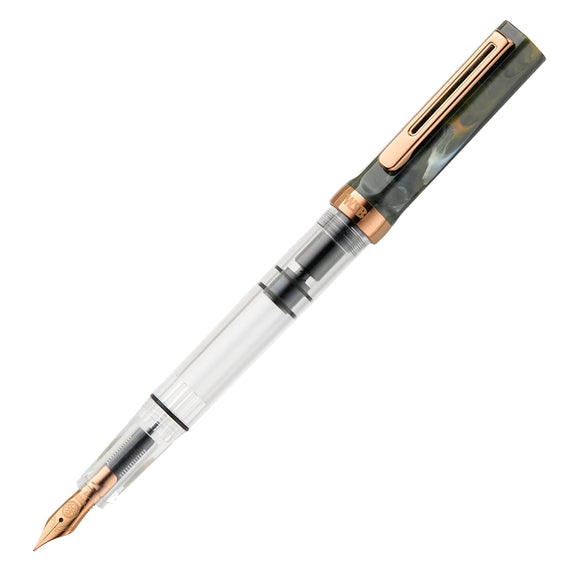
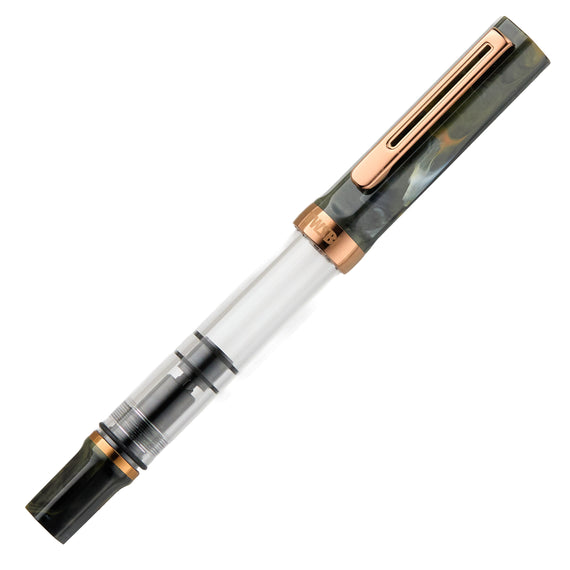
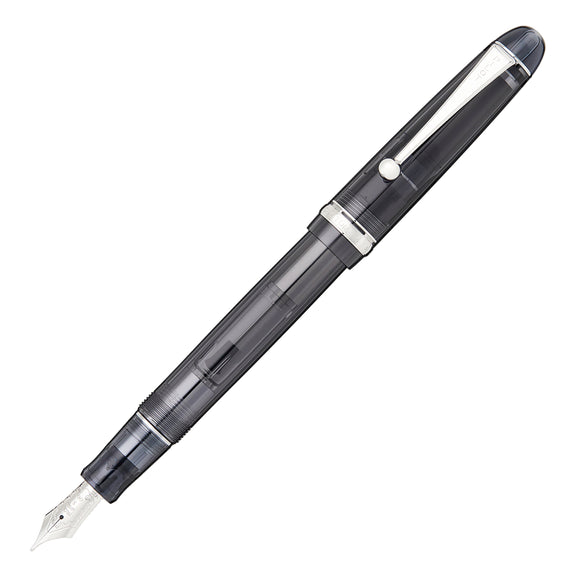
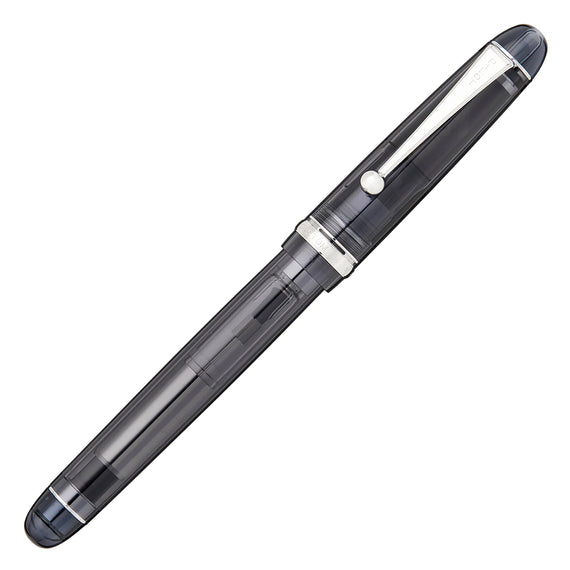
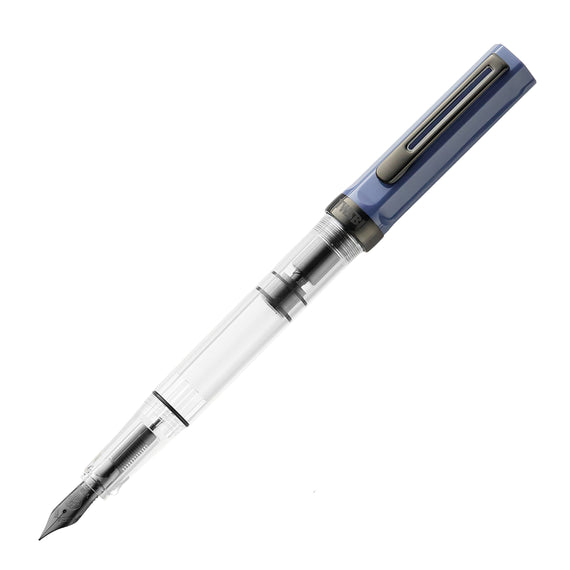
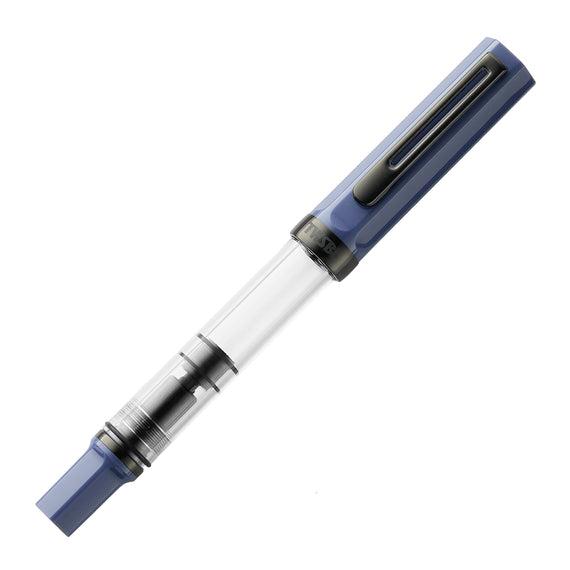
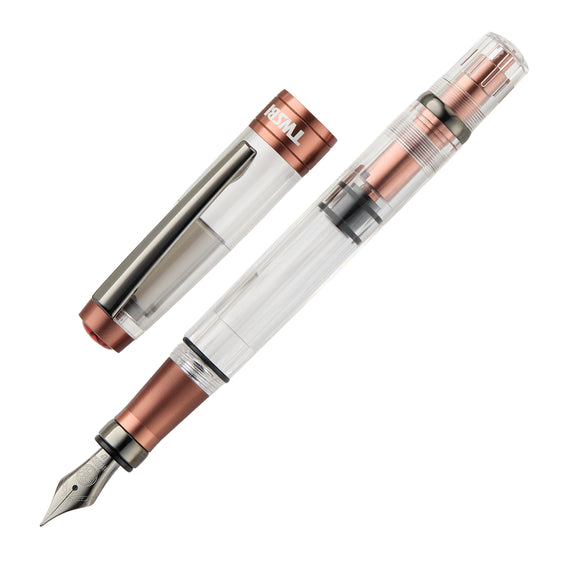
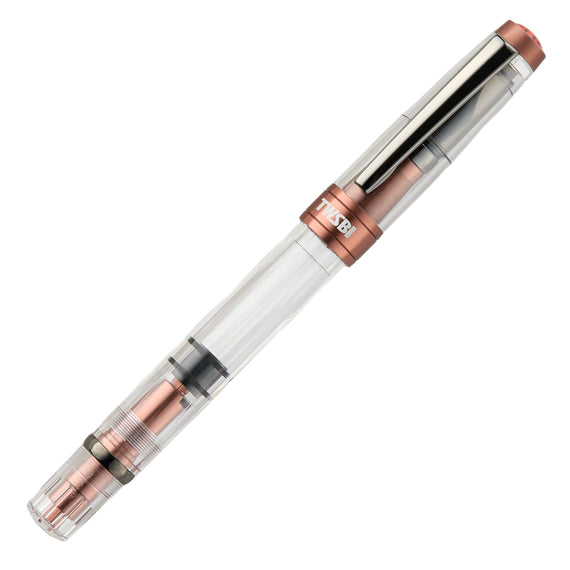
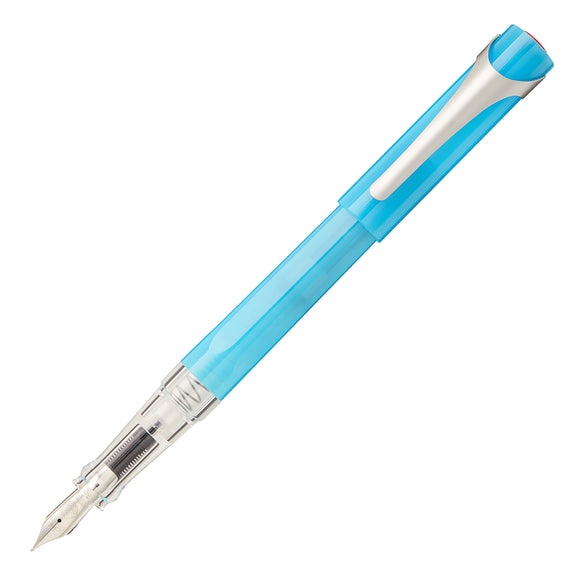
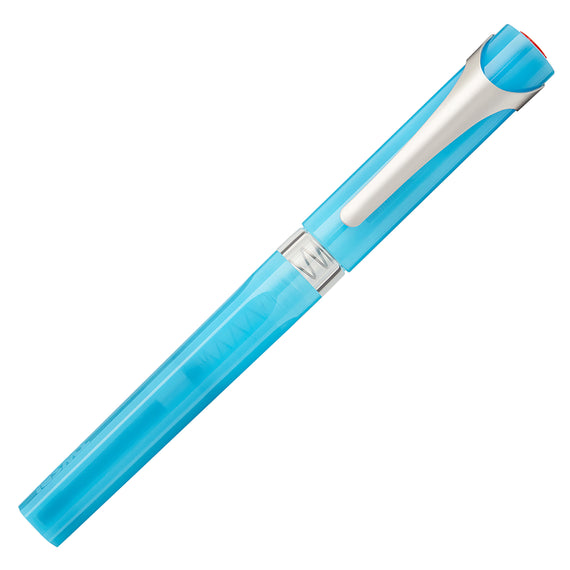
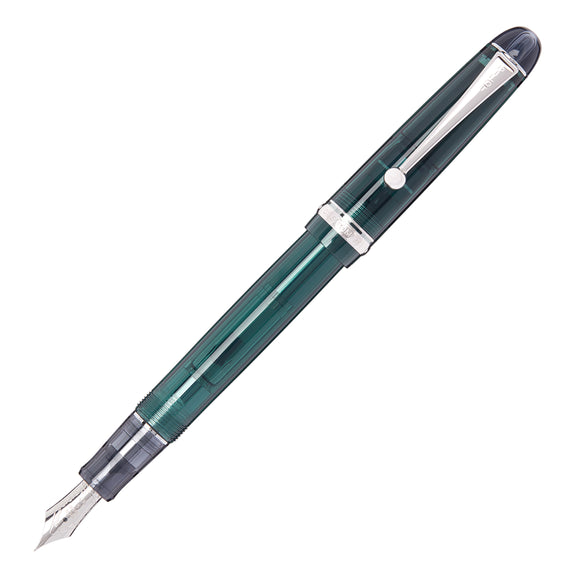
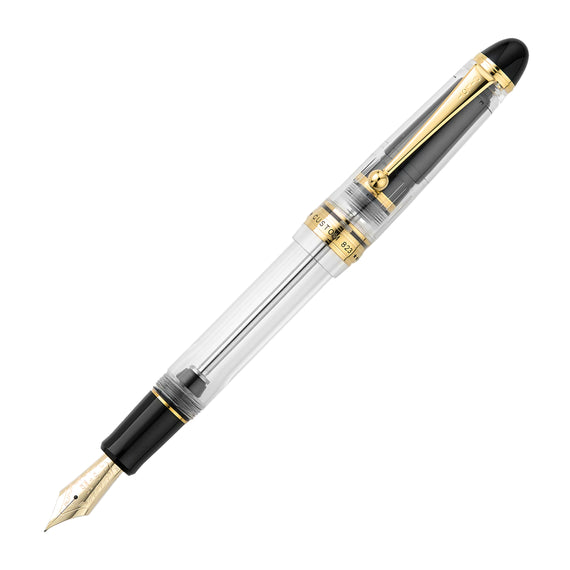
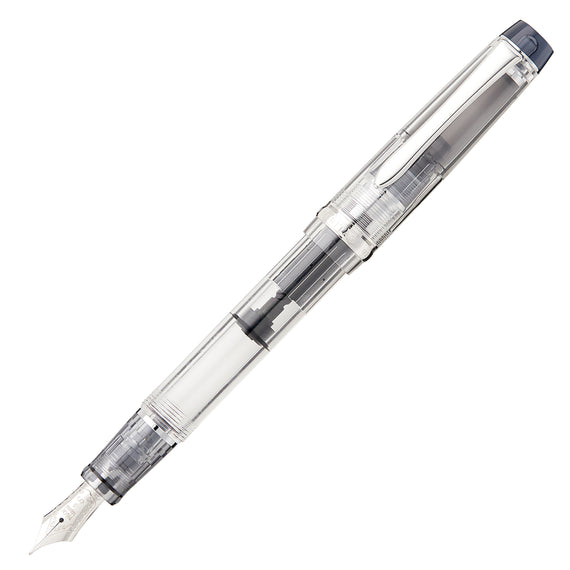
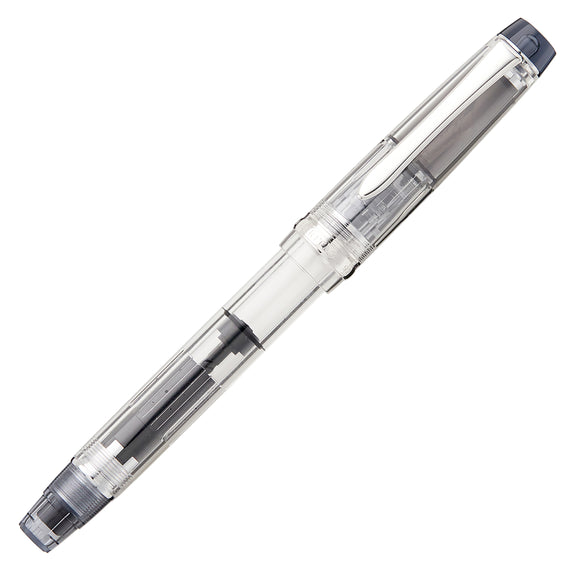
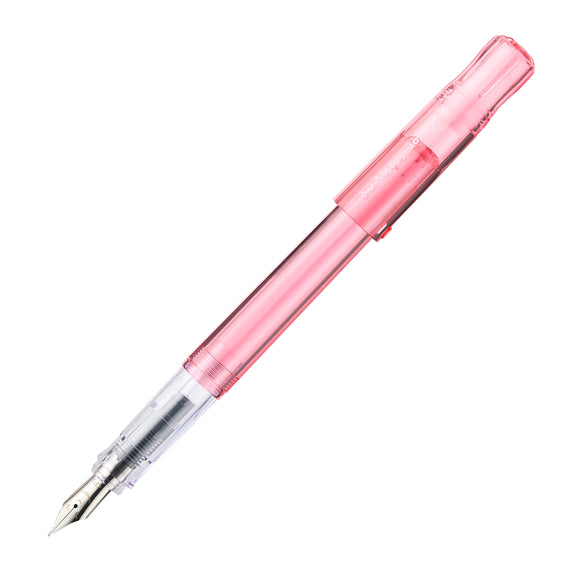
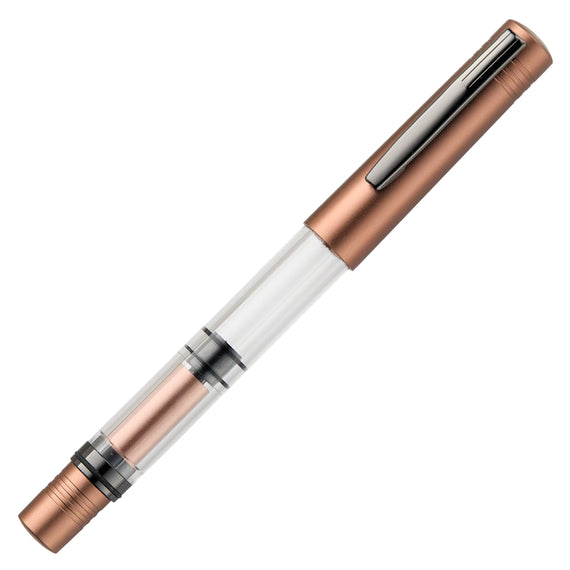
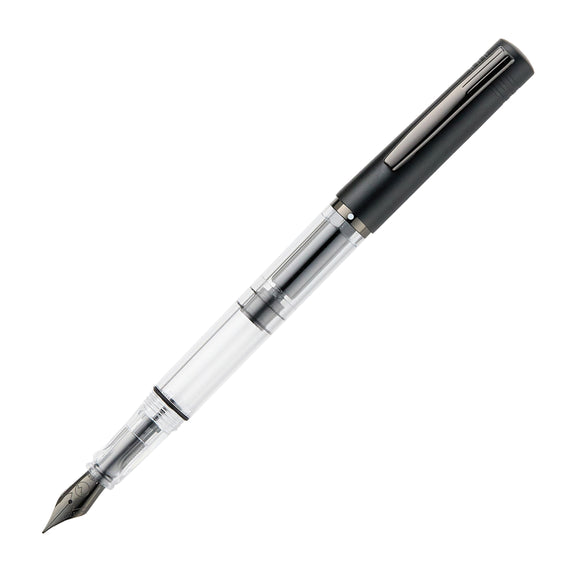
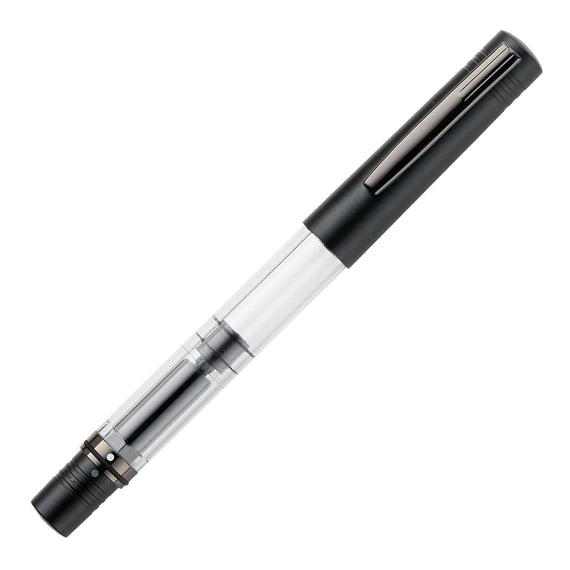
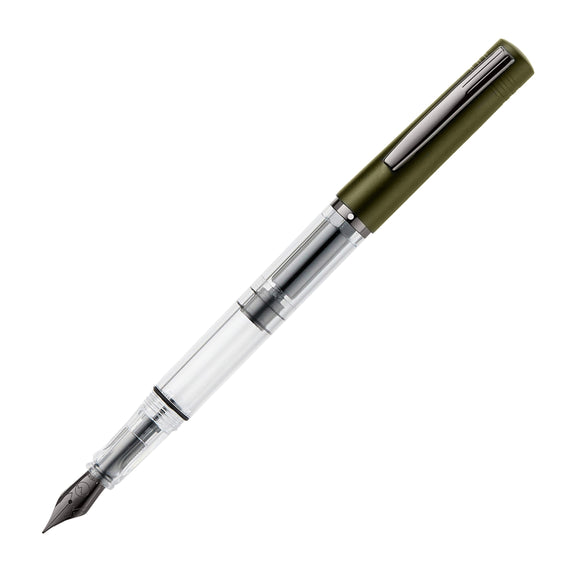
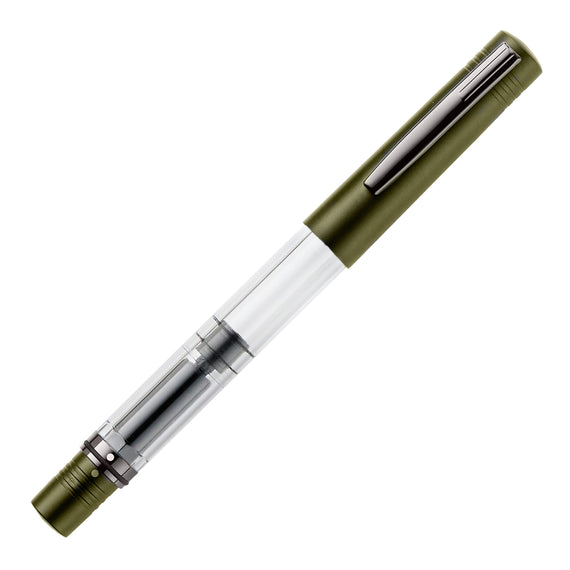
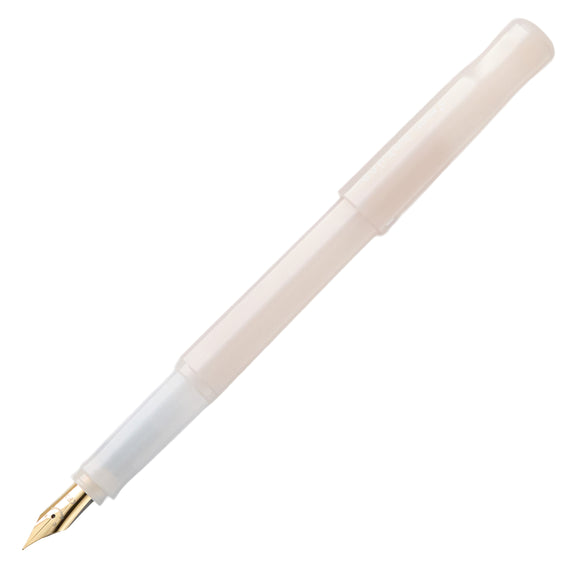
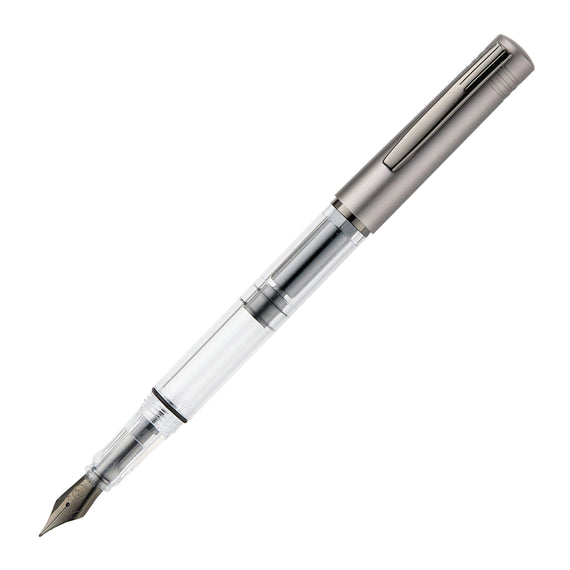
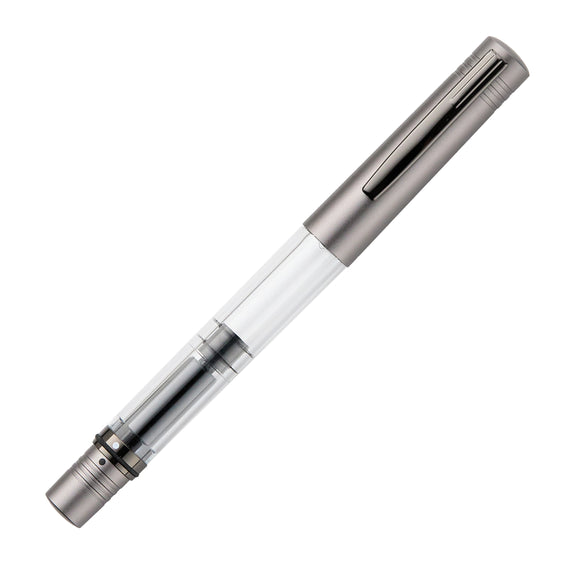
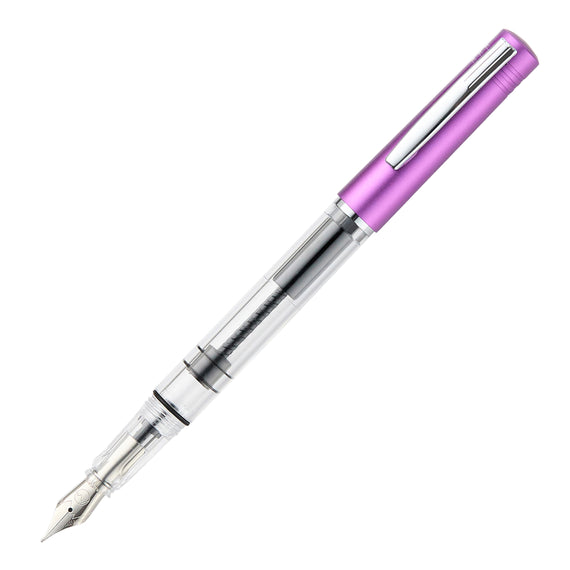
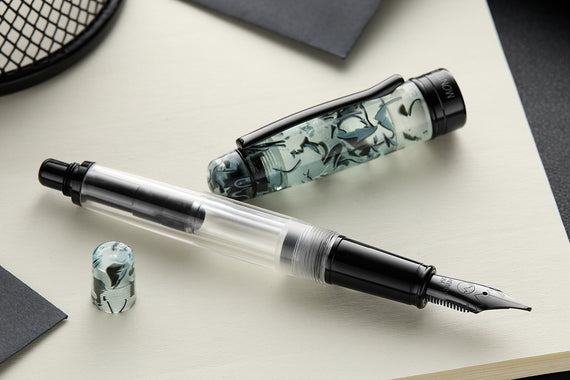
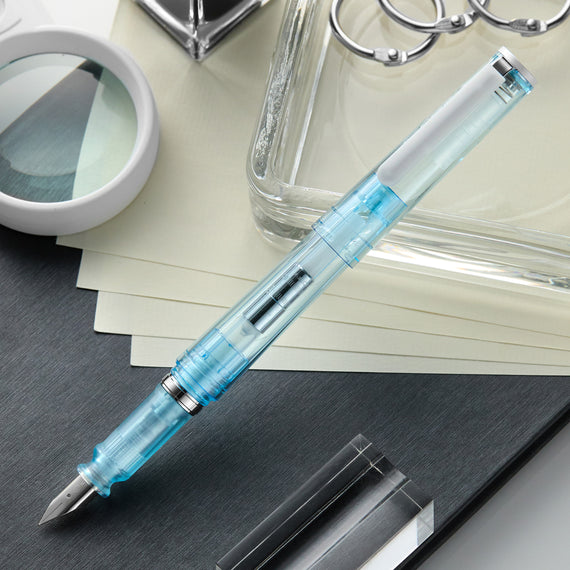
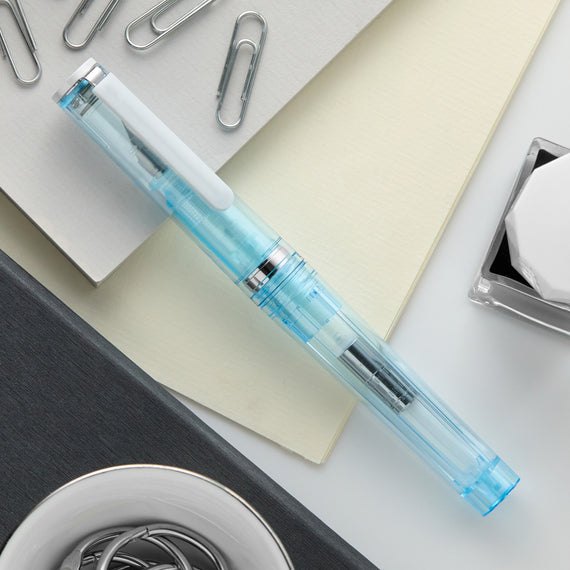
It depends on the pen's filling mechanism, which you can find in the Technical Specs section above.
Here's a quick definition of the most common filling mechanisms:
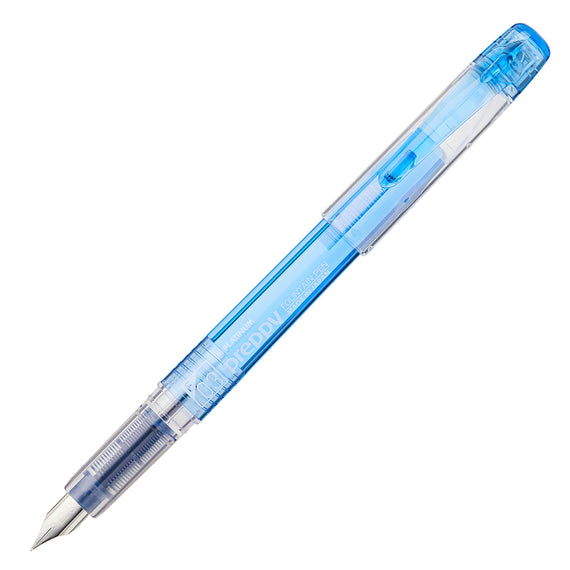
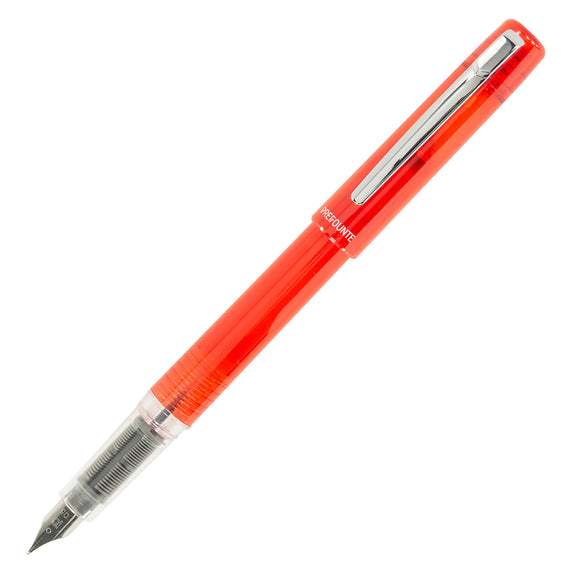
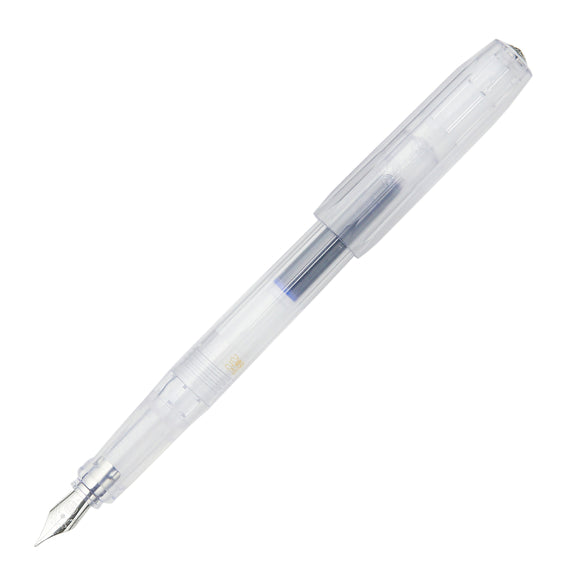
- Cartridge - A small, disposable, sealed plastic reservoir that holds fountain pen ink. These come pre-filled with ink, and typically you just push to insert them into place and you'll be ready to write! Check out our quick guide here.
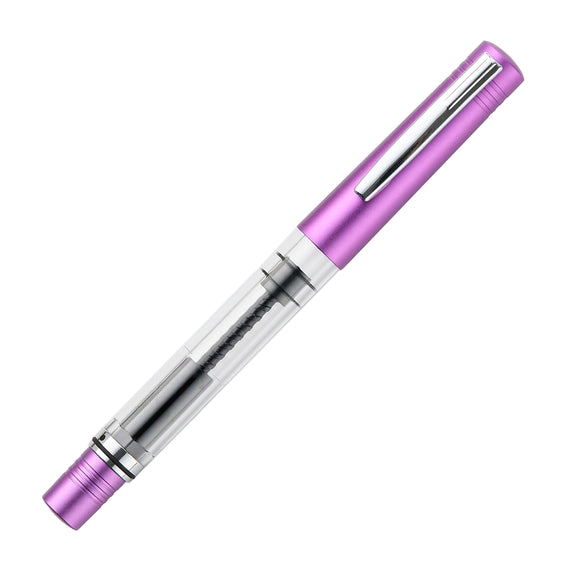
- Converter - A detachable and refillable ink reservoir that allows you to use bottled ink in a cartridge-accepting pen. Typically you will install the converter into the grip section, dip the nib/feed into the ink, and twist or pull the converter knob to draw ink into the converter. Here's a video for how to fill a cartridge/converter pen using a LAMY pen as an example.
- Eyedropper - A pen that utilizes the entire barrel as a reservoir for ink. Ink is directly filled into the barrel, allowing for a high ink capacity. Here's a video on how to do it!
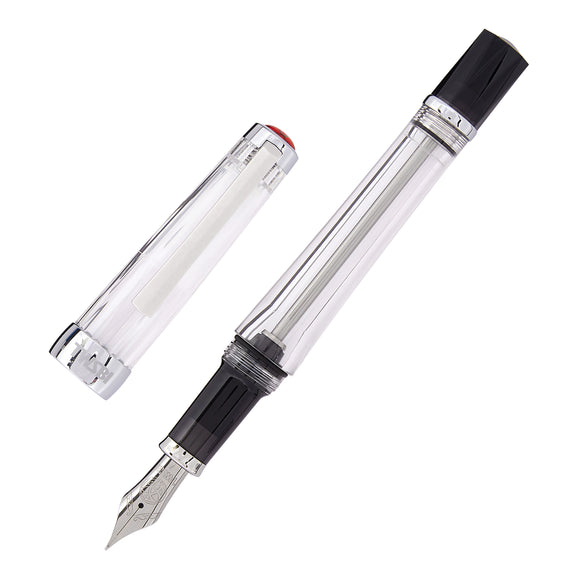
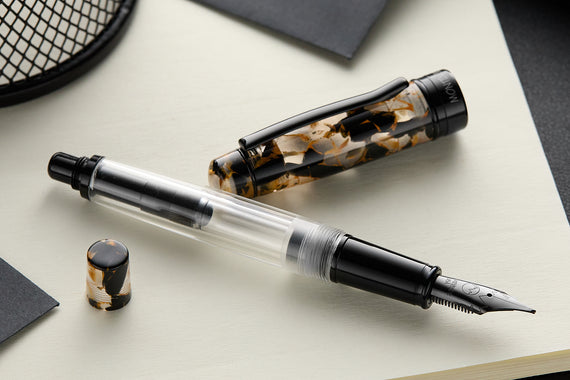
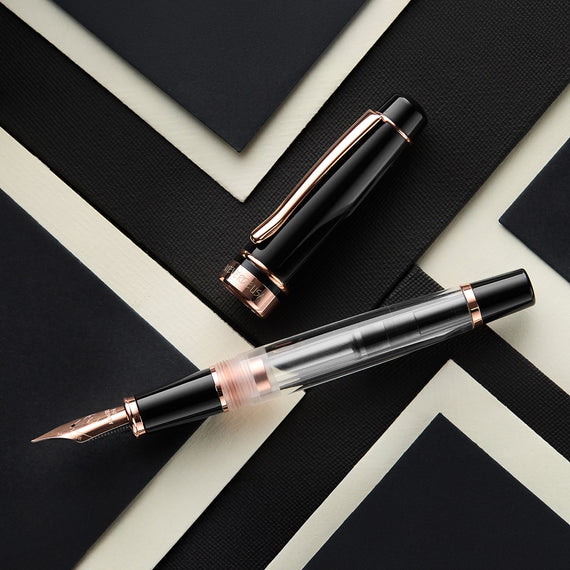
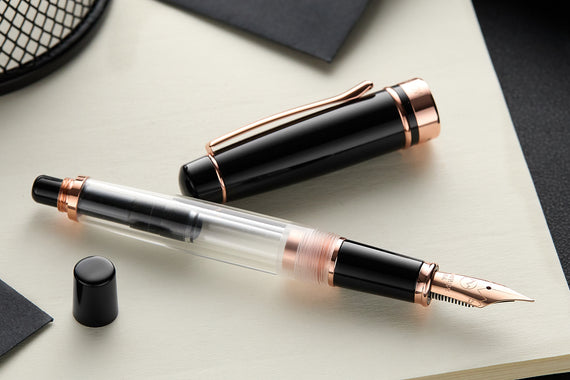
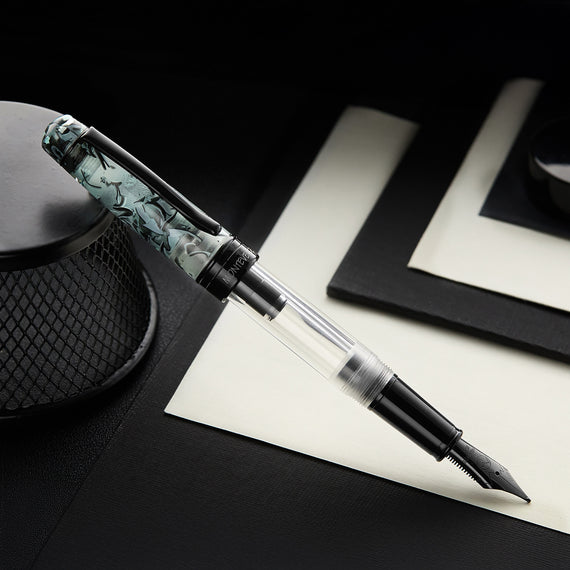
- Piston - A type of filling system that uses a retracting plunger inside a sealed tube to draw ink into a pen. They are typically either twist or push-operated. These pens cannot accept cartridges or a converter, and only fill from bottled ink.
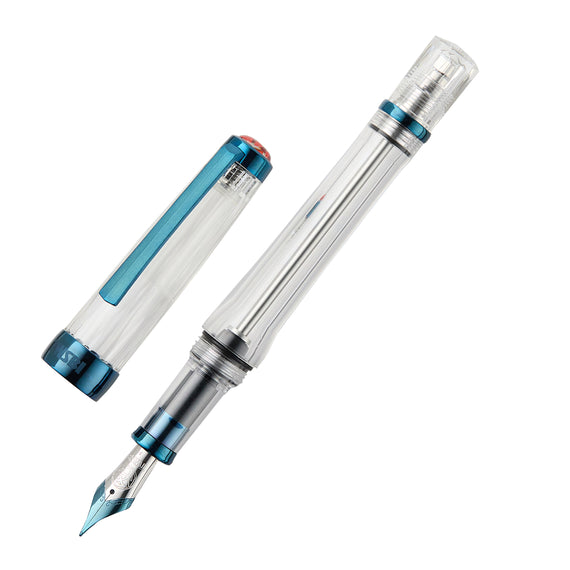
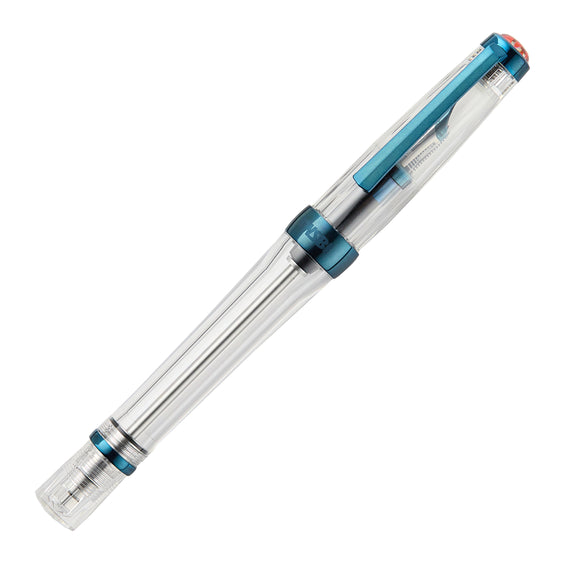
- Vacuum - A push-style piston that uses pressure to fill the large pen body with ink. They seal the ink chamber when closed, making it ideal for flying without risk of leaking. Check out our video on how to use a vac filler here.
Check out more info on these filling mechanisms including a video on how to fill each one on our blog.